
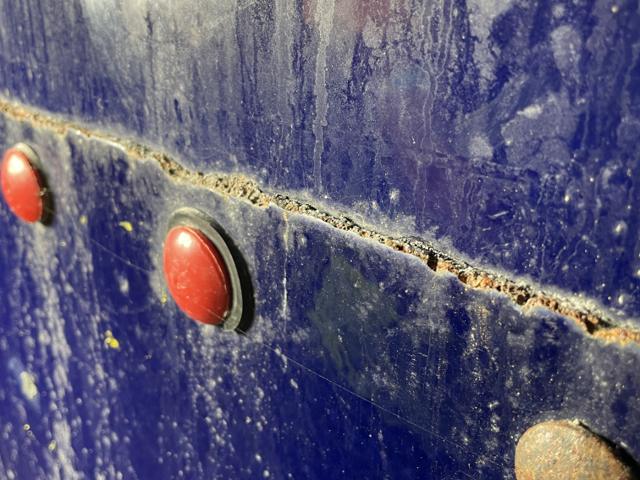
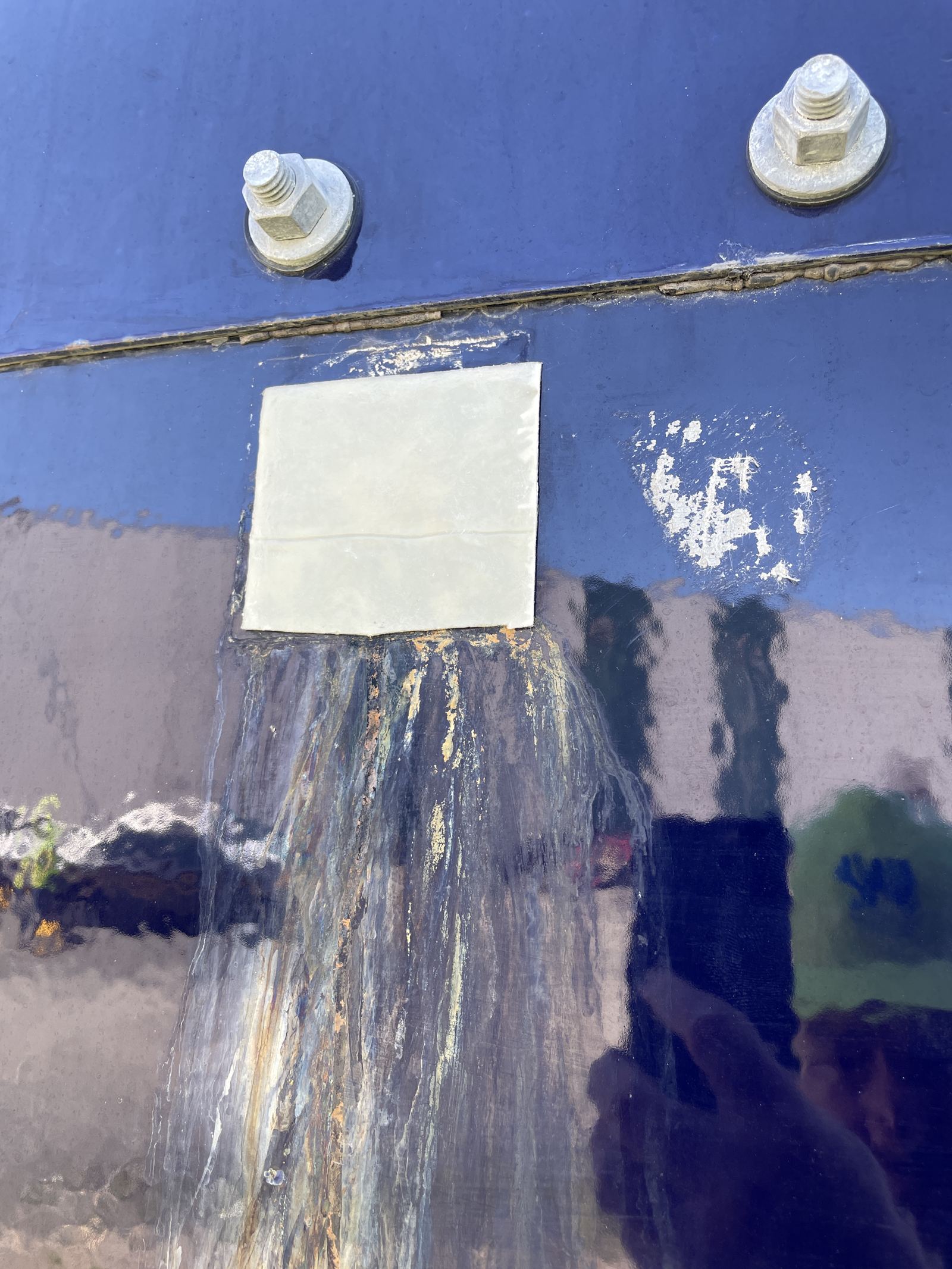
Weeping or wet seams
Damp lines, drips or mineral tracks along a bolted seam.
Failure mode: Sealant & gasket selection →Drone, ultrasonic, and structural assessments with technical condition reports — for compliance, insurance, rehabilitation planning, and failure investigation. This is the technical core of what we do.
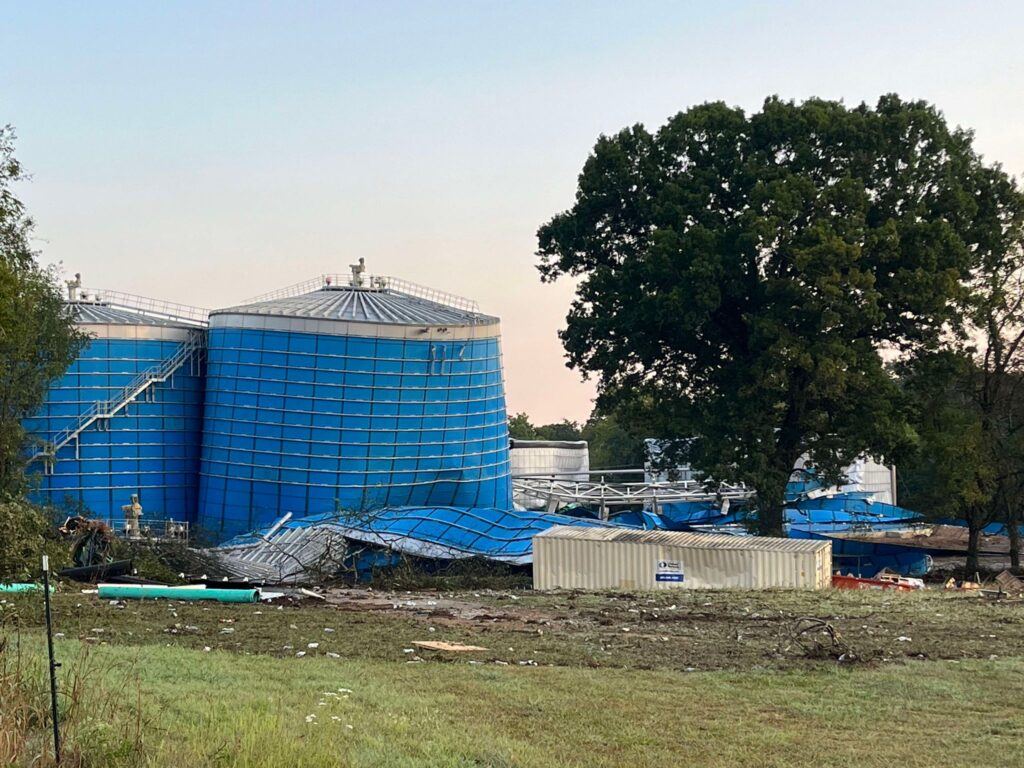
Planning ahead, dealing with a problem, and building a case each need a different first step. Pick yours.
Your inspection interval is due, a capital plan or funding application needs condition data, or the insurer wants a current report.
Call first. Five minutes on the phone tells us whether it’s urgent, and whether the tank should stay in service until someone looks at it.
For attorneys, insurers, adjusters and owners after a failure: independent root-cause investigation with findings documented to hold up under scrutiny.
From routine condition assessment to litigation-grade failure investigation, every inspection produces actionable documentation — wall-loss data, coating condition, structural findings, and clear recommendations.
Aerial drone, interior visual, and ultrasonic wall-thickness survey to baseline the true condition of a tank — coating, corrosion, weld, and structural findings in one report.
Inspection and documentation to support regulatory compliance, permit requirements, and insurance audits — with findings tied to the applicable codes and standards.
Independent technical investigation of corrosion, coating, sealant, and structural failures — identifying the actual mechanism and root cause, suitable for insurance and litigation.
You know what an inspection is. These are the things that usually make it this year’s job.
Industry guidance calls for a full inspection every three to five years, and some states set the clock for you. If you can’t find the last report, you’re probably overdue.
Schedule the periodic inspection →State Revolving Fund applications, asset-management plans and rate studies all ask for documented condition. A dated condition report with prioritized findings shows whether the tank should be repaired, relined or replaced.
Get condition data for the plan →Underwriters increasingly ask for a current condition report on storage assets. A documented inspection supports the renewal, and it gives you a baseline if you ever have to file a claim.
Document it before renewal →By year 15, sealant, bolt caps and linings are usually where remaining life is decided. Finding out you have two years left instead of ten is the difference between a planned reline and an emergency.
Find out how much life is left →| Source | What it says | Applies to |
|---|---|---|
| AWWA Manual M42 | Routine operator checks plus a full interior and exterior inspection on a three-to-five-year cycle. | Steel water-storage tanks (industry guidance) |
| Operator’s Guide, Table 18 | Annual exterior audit, a detailed audit every 24 months, and a comprehensive five-year inspection by a qualified tank inspector. Some states require 36 months. | Bolted steel tanks |
| Ohio Adm. Code 4901:1-15-10(B)(6) | Storage tanks “shall be inspected by a person or firm qualified to inspect storage tanks at least every five years,” with records kept for review. | PUCO-regulated waterworks companies in Ohio (example of a state rule) |
| Your tank manufacturer | Warranty conditions often set stricter intervals than the standards do. | Read the manual issued with your tank |
State rules vary and change. Check your state drinking-water program or utility commission for the interval that applies to you. We can help you find it when you request an inspection. Source text: Ohio Adm. Code 4901:1-15-10.
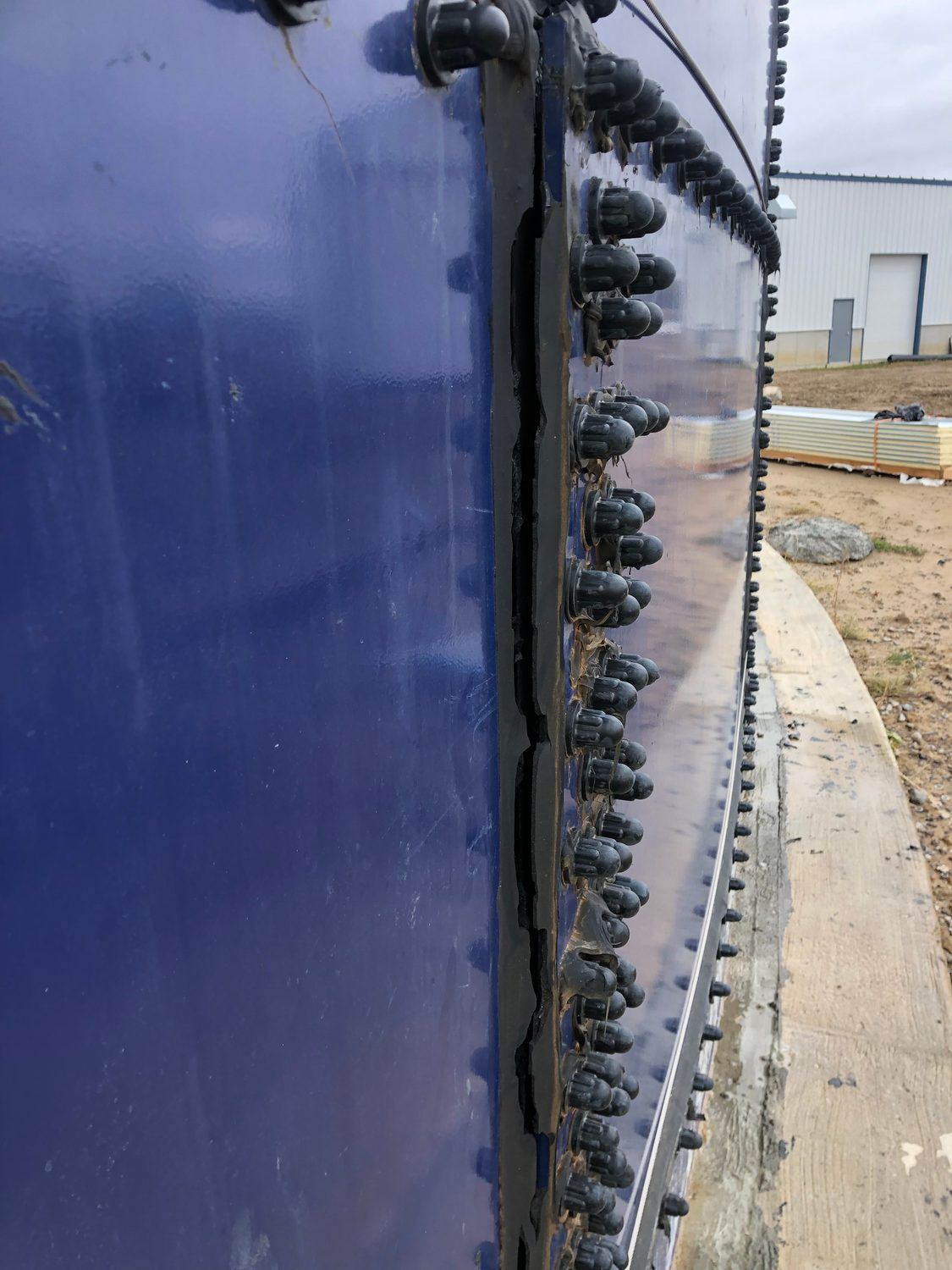
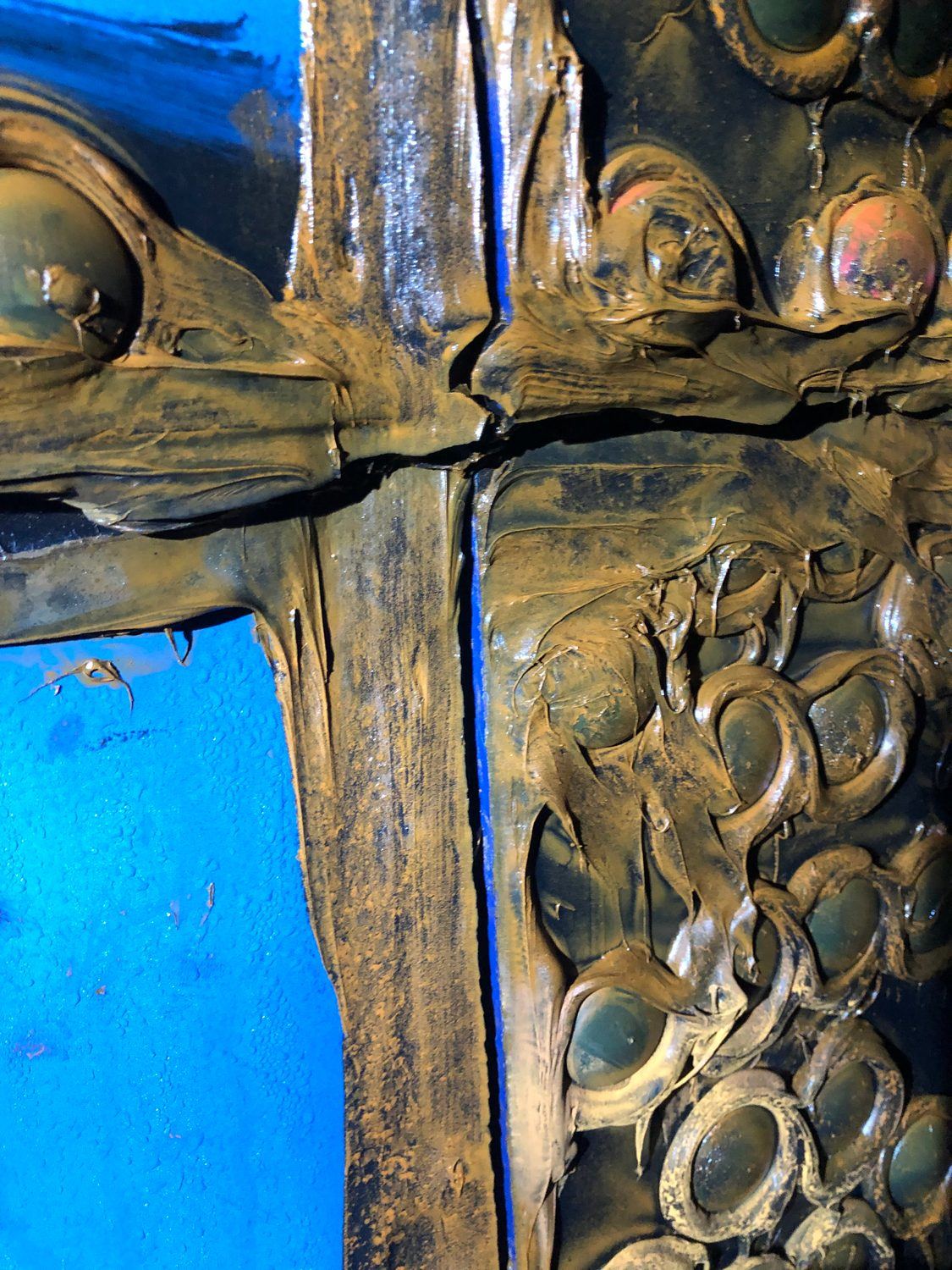
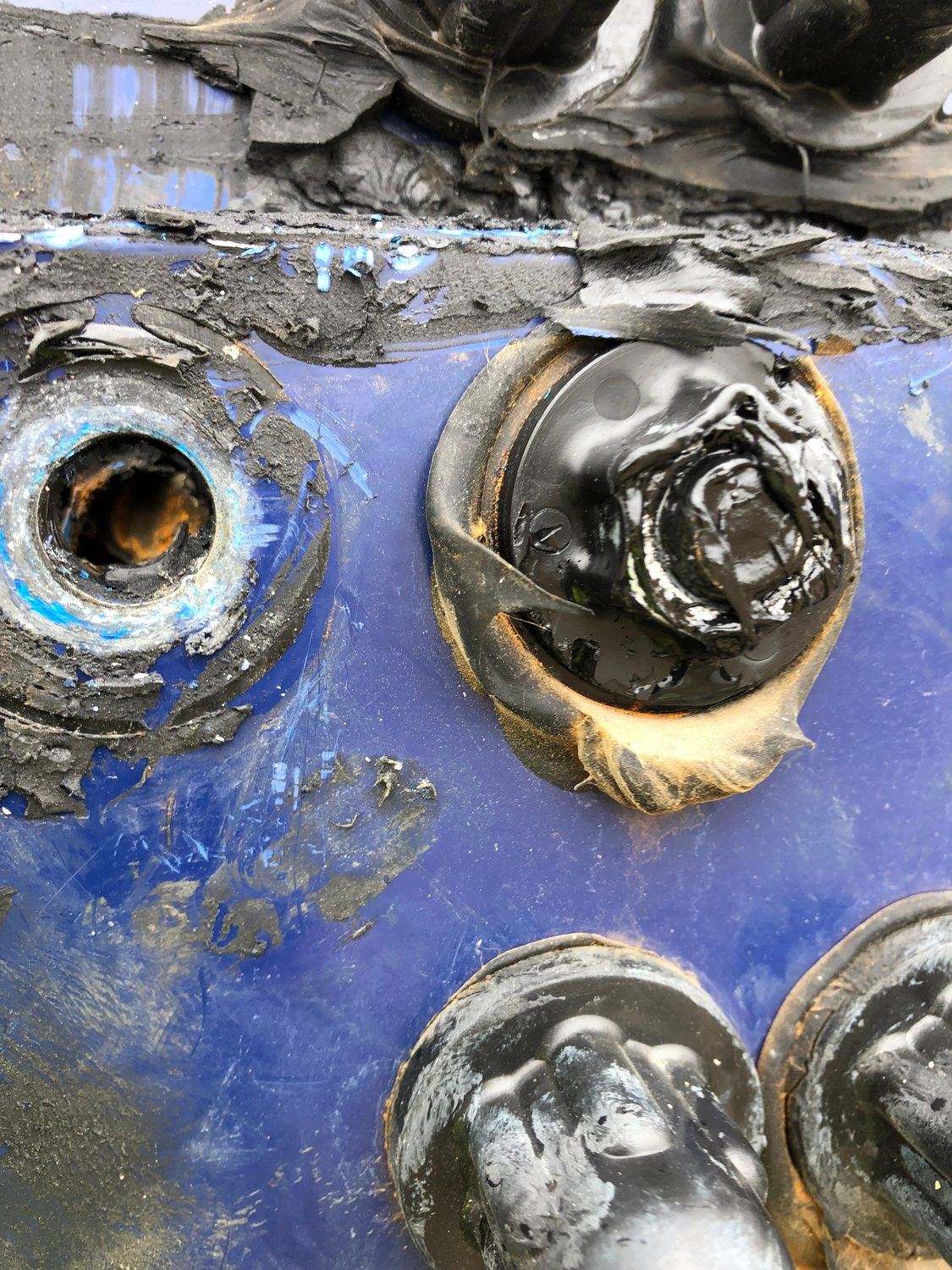
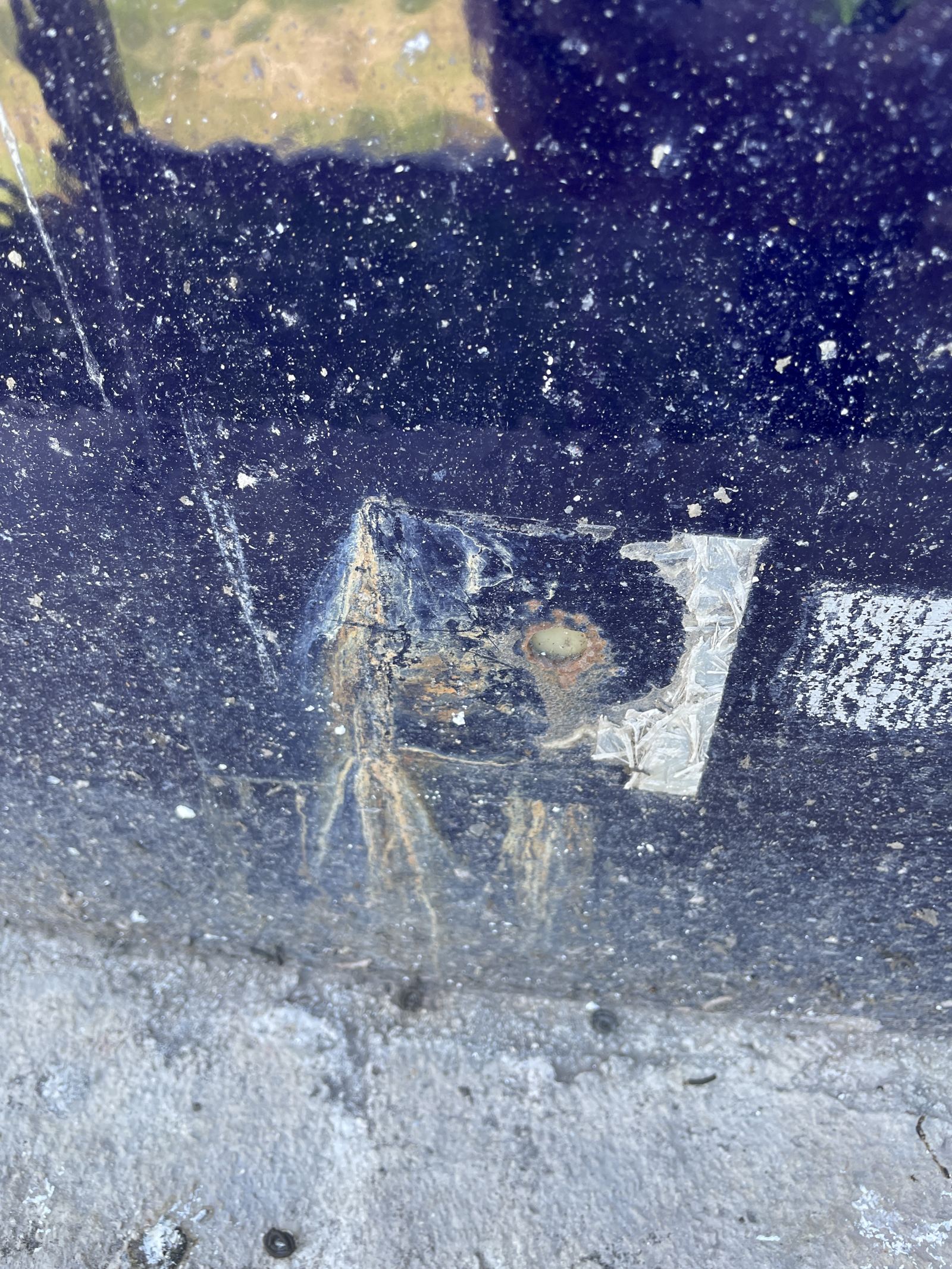
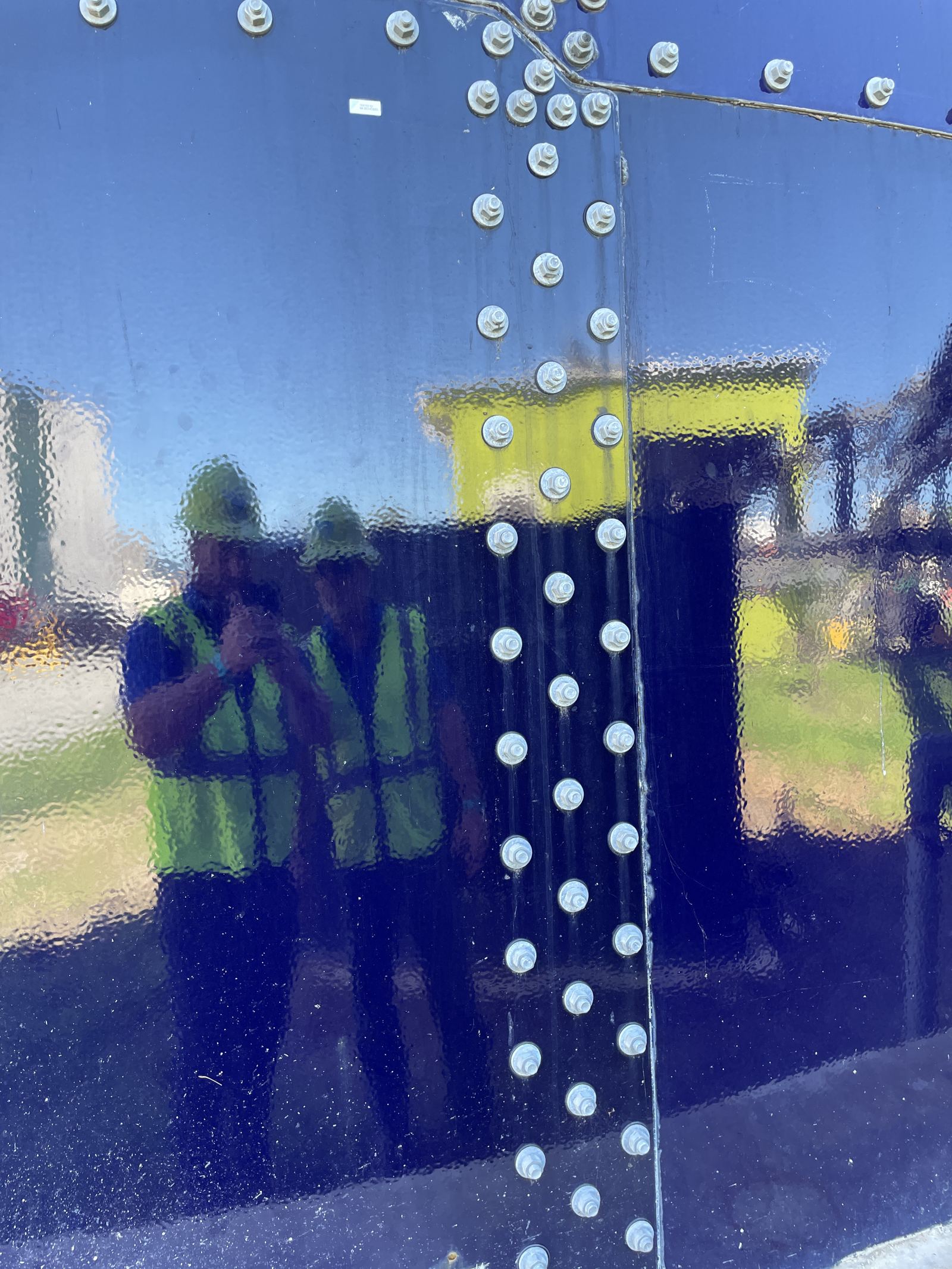
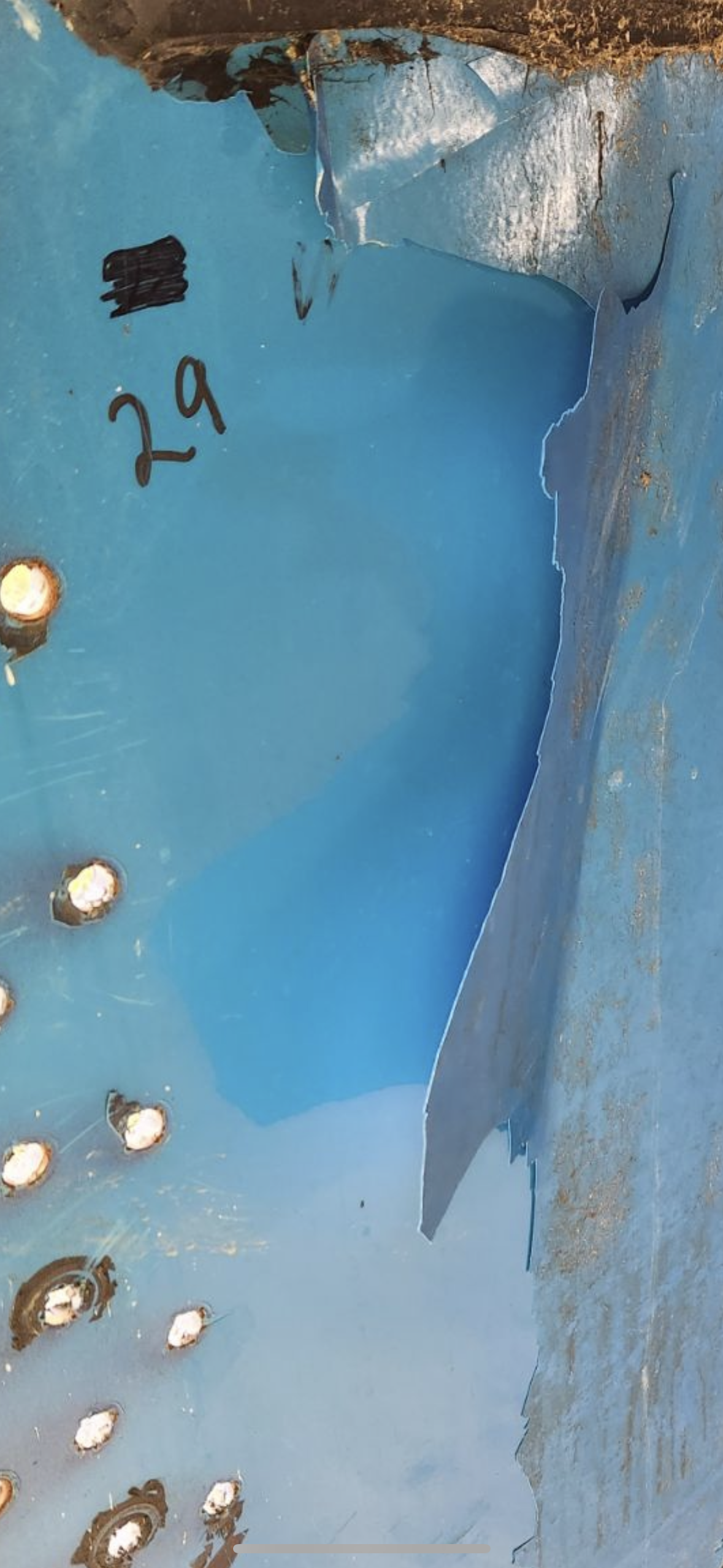
These are real field photos. Find the one that looks like your tank to see the failure mode behind it, then have it checked. We fill the symptom into the form for you.
Damp lines, drips or mineral tracks along a bolted seam.
Failure mode: Sealant & gasket selection →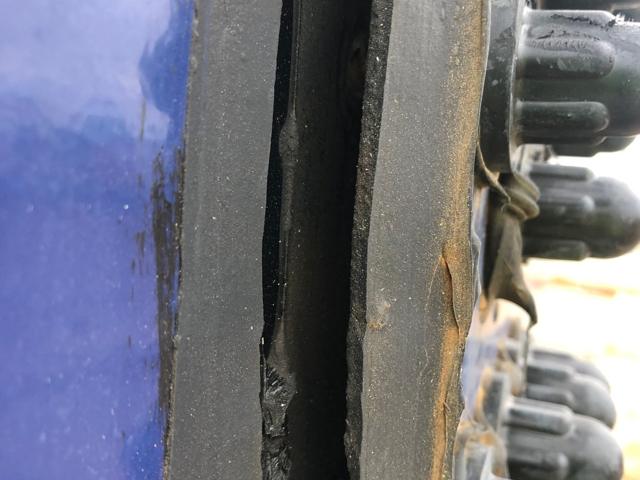
A seam that has opened up, or sealant pulling away from the panel.
Failure mode: Foundation & settlement →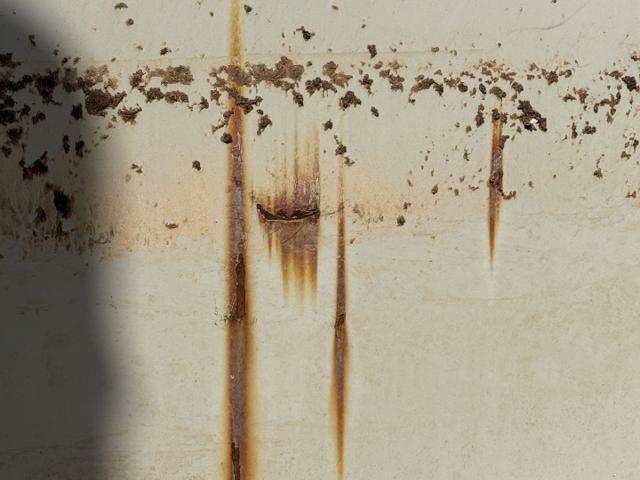
Orange tracks running down from seams, bolts or the top ring.
Failure mode: Corrosion-rate realities →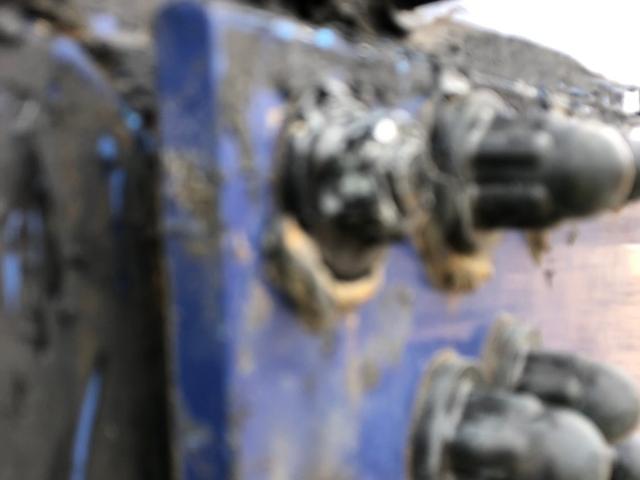
Rust bleeding from bolt heads, or cracked and missing bolt caps.
Failure mode: Galvanic / dissimilar metals →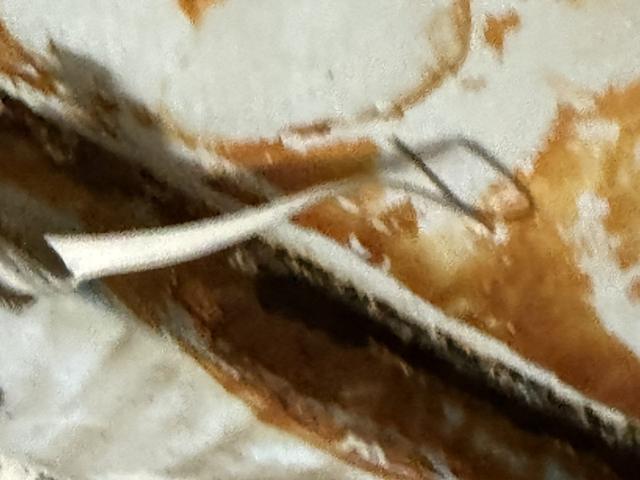
Lining lifting, blistering or flaking off the steel inside the tank.
Failure mode: Coating / lining mismatch →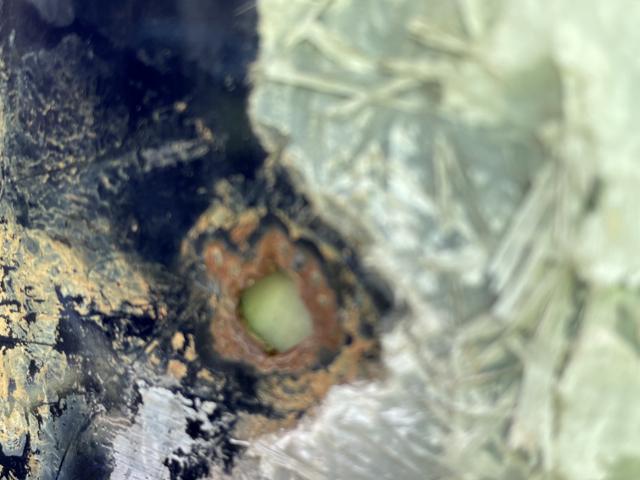
Corrosion or old patches around a nozzle, manway or pipe connection.
Failure mode: Galvanic / dissimilar metals →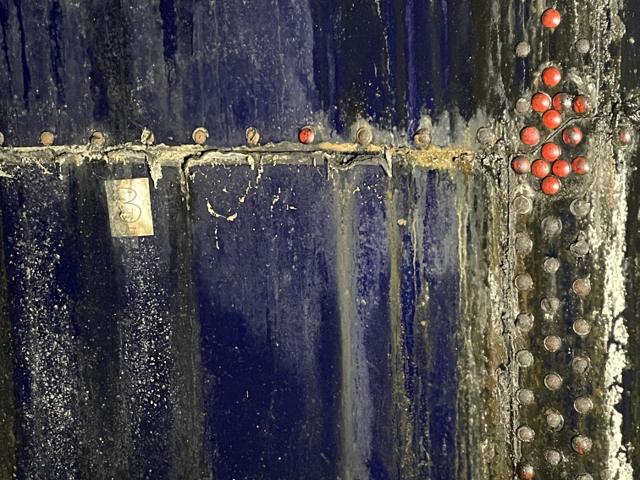
Rust at interior seams, the floor or the lower shell.
Failure mode: Cathodic protection gaps →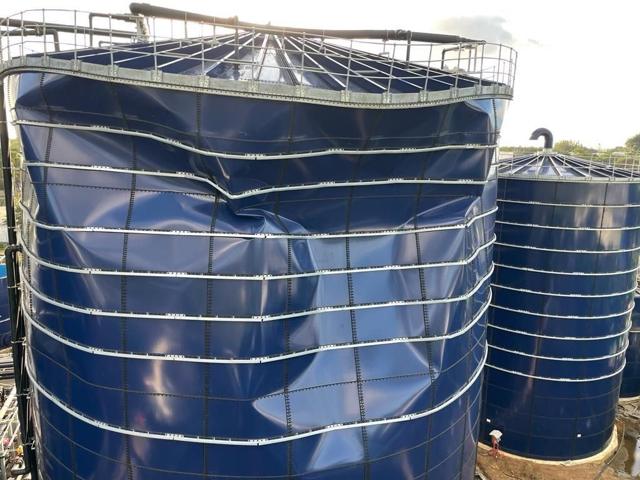
Ripples, dents or a shell wall that has pulled inward.
Failure mode: Roof, venting & vacuum →An interactive model of a bolted steel tank with an aluminum dome. Step through what we check on site — roof and cover, shell seams and bolts, interior lining, foundation and appurtenances — and the findings each stop can turn up.
Our principal's practice centers on technical tank work — corrosion analysis, coating and sealant specification, and failure investigation. You get findings grounded in why tanks actually fail, not a generic inspection form.
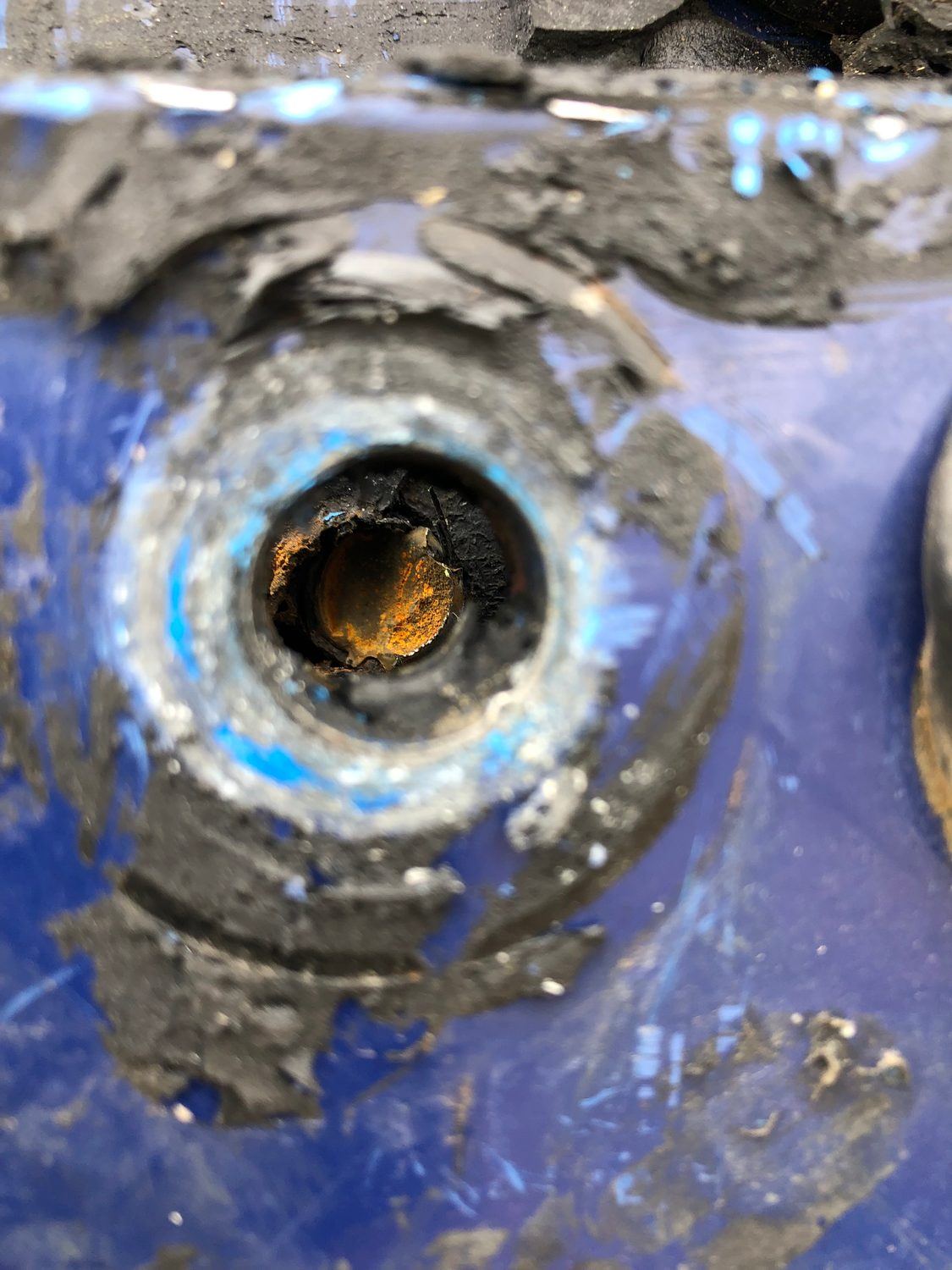
Inspection and technical assessment work on tanks across water, wastewater, and industrial facilities.
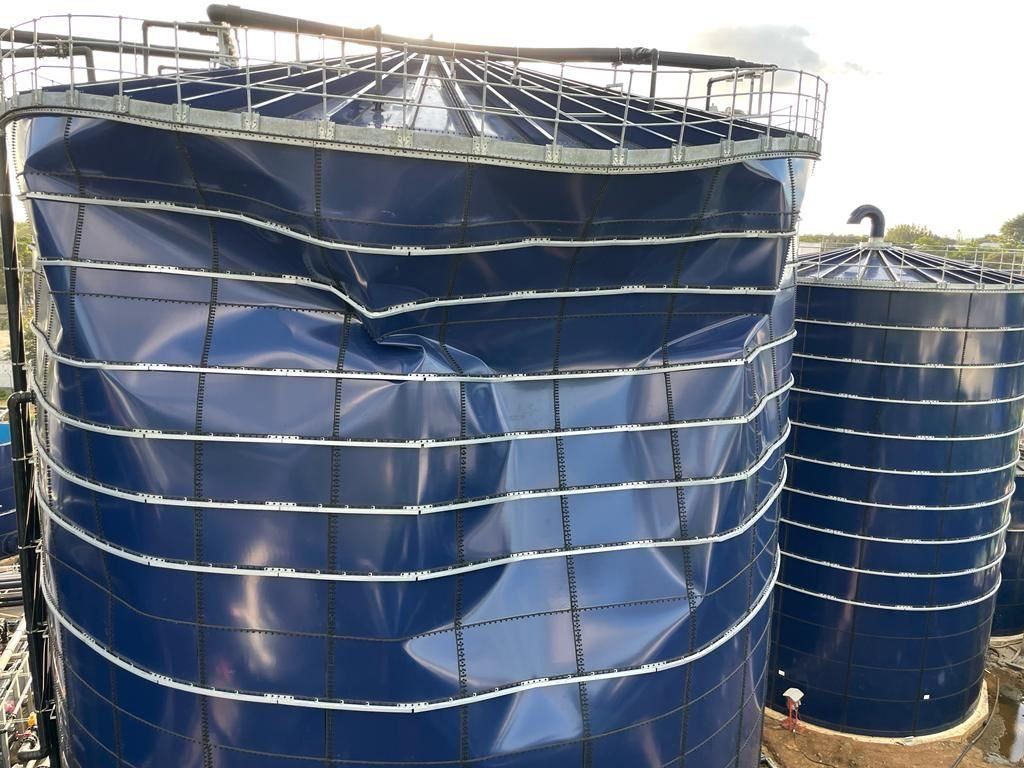
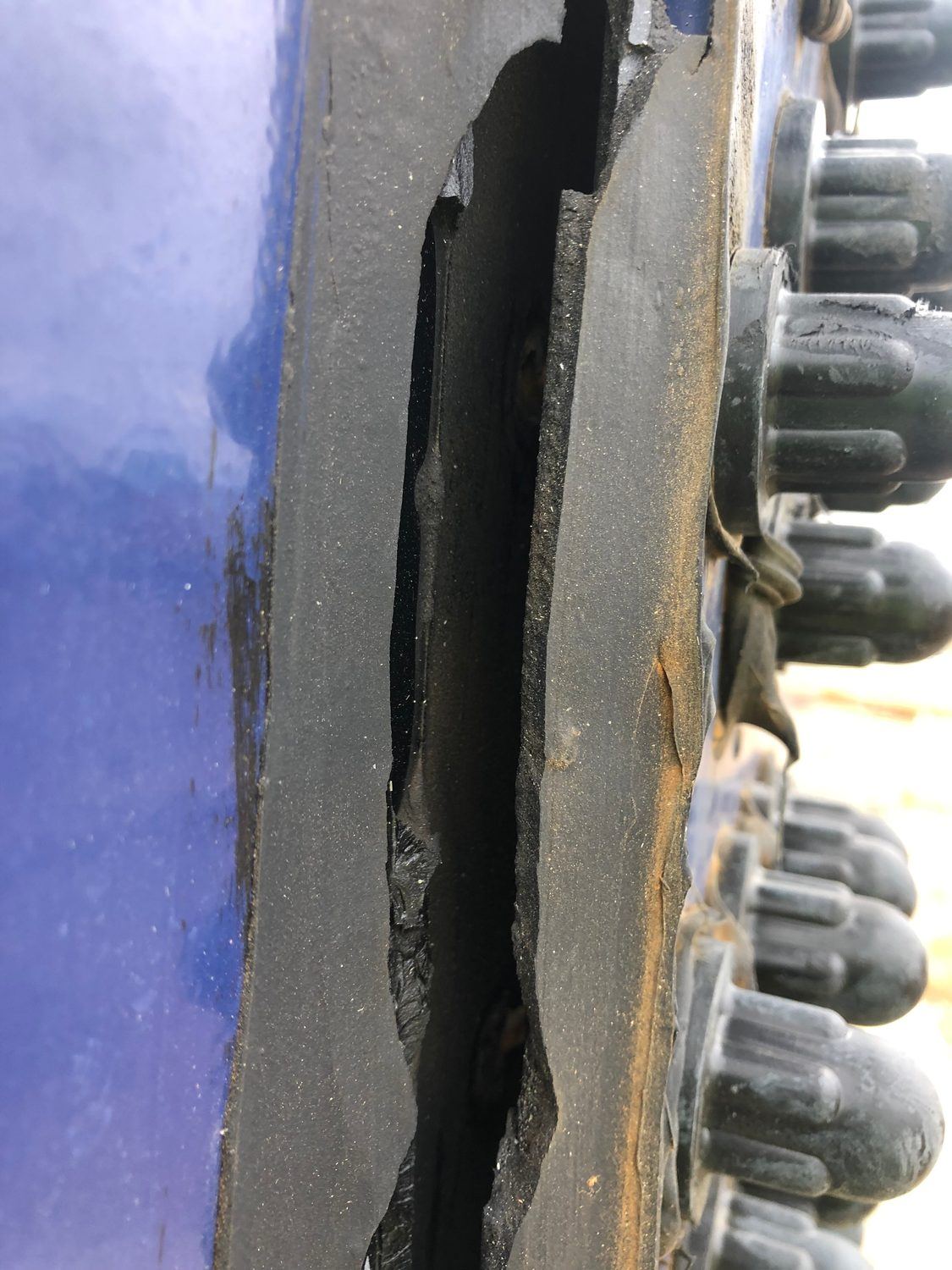
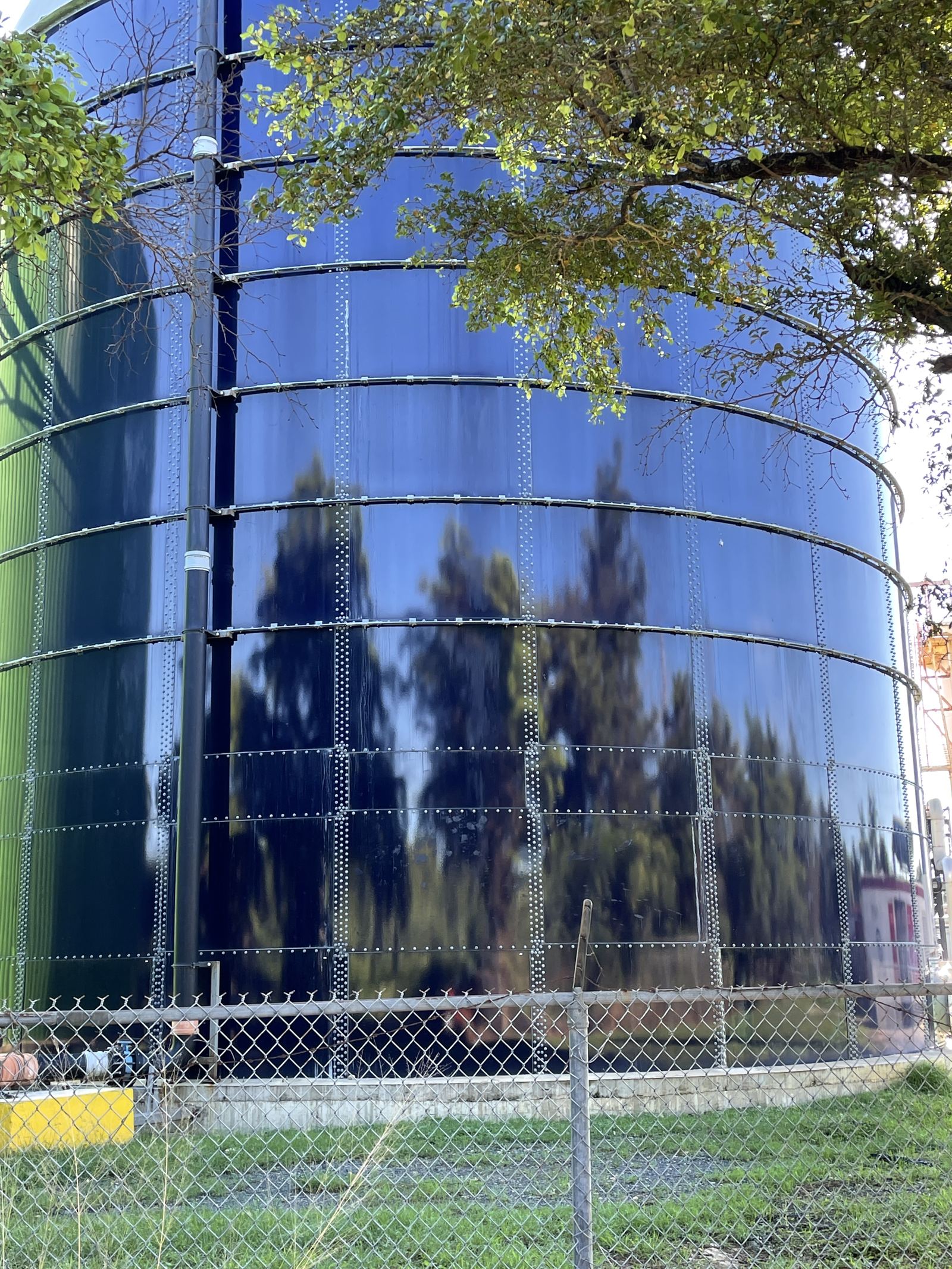
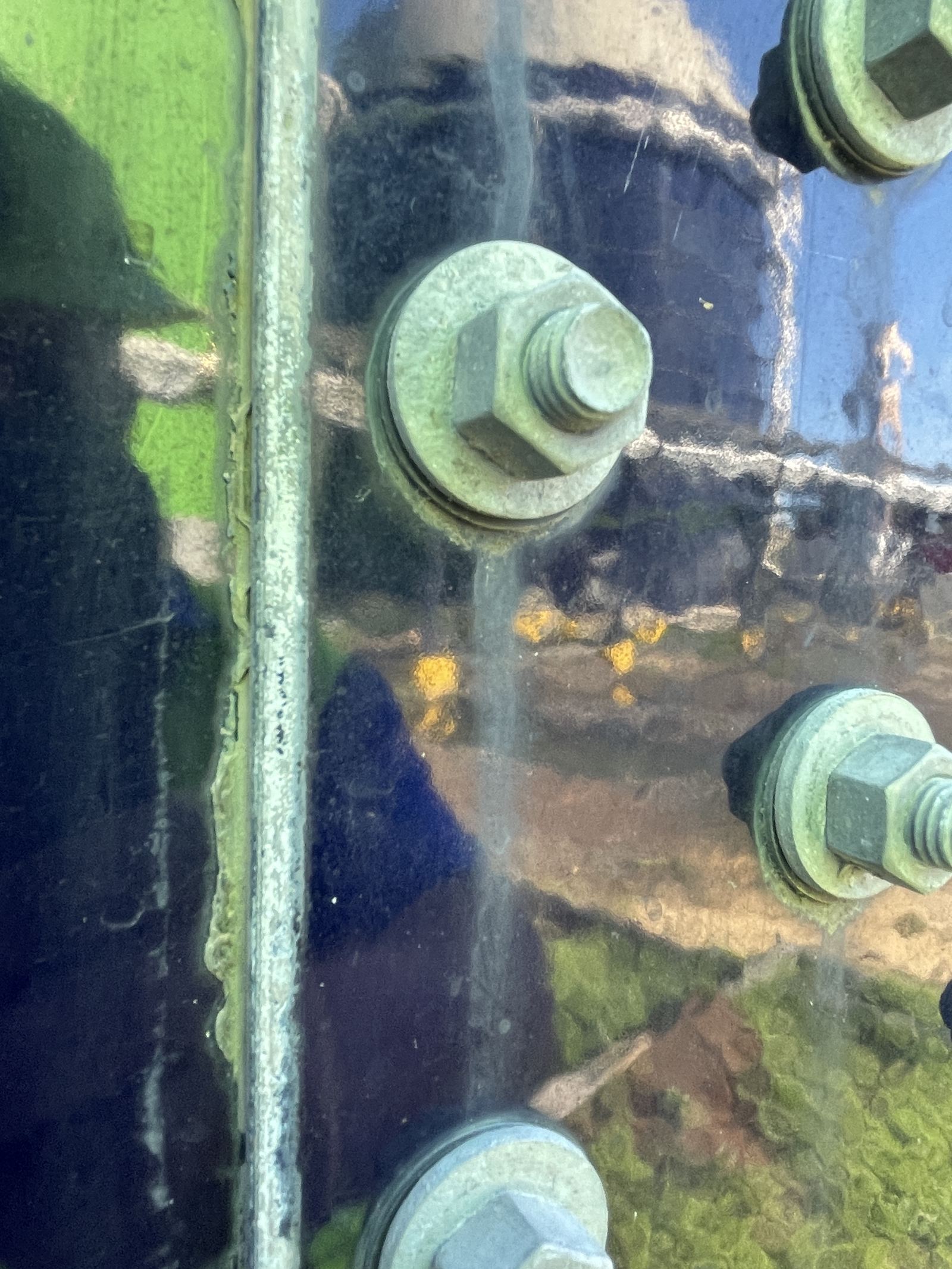
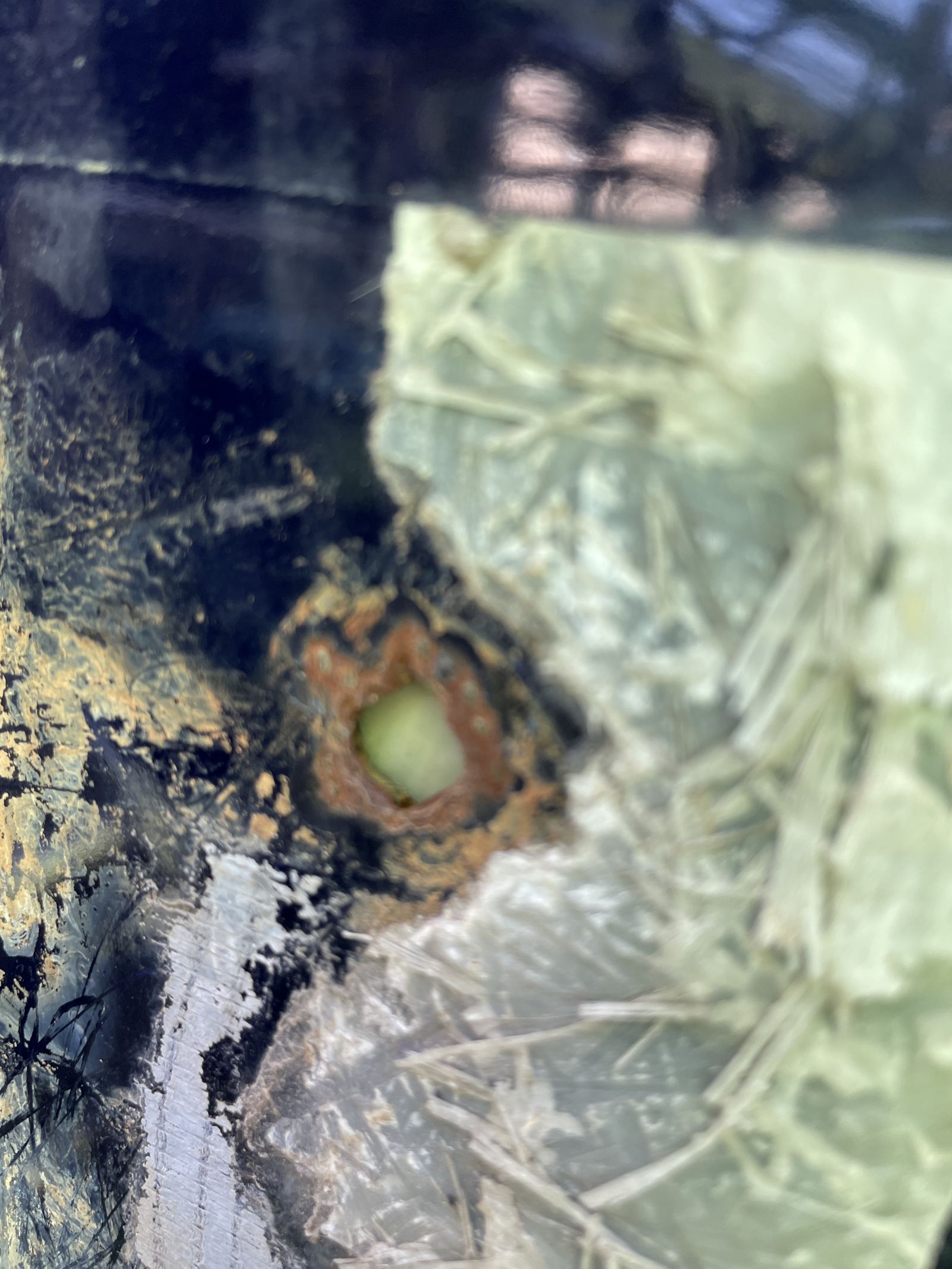
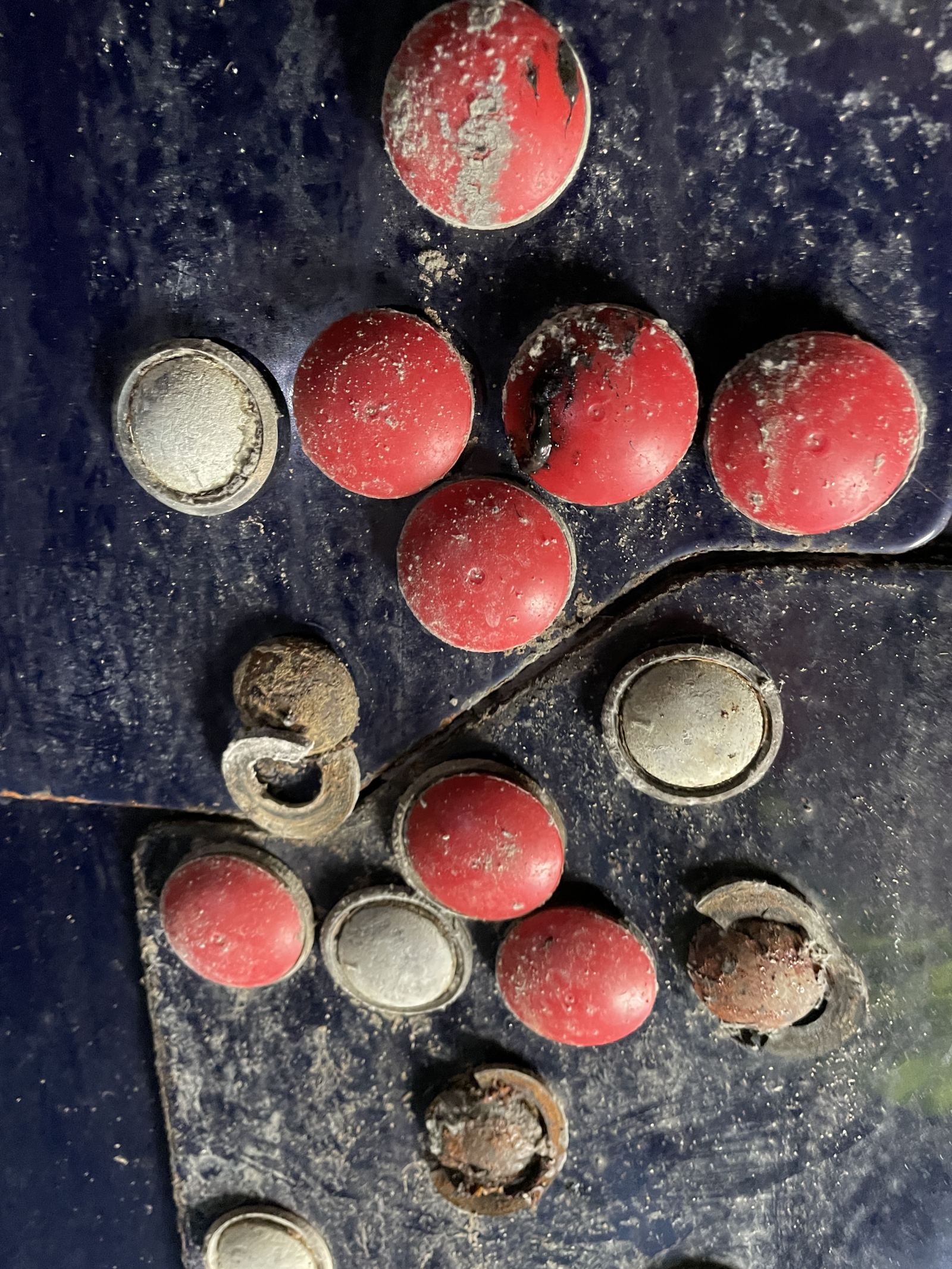
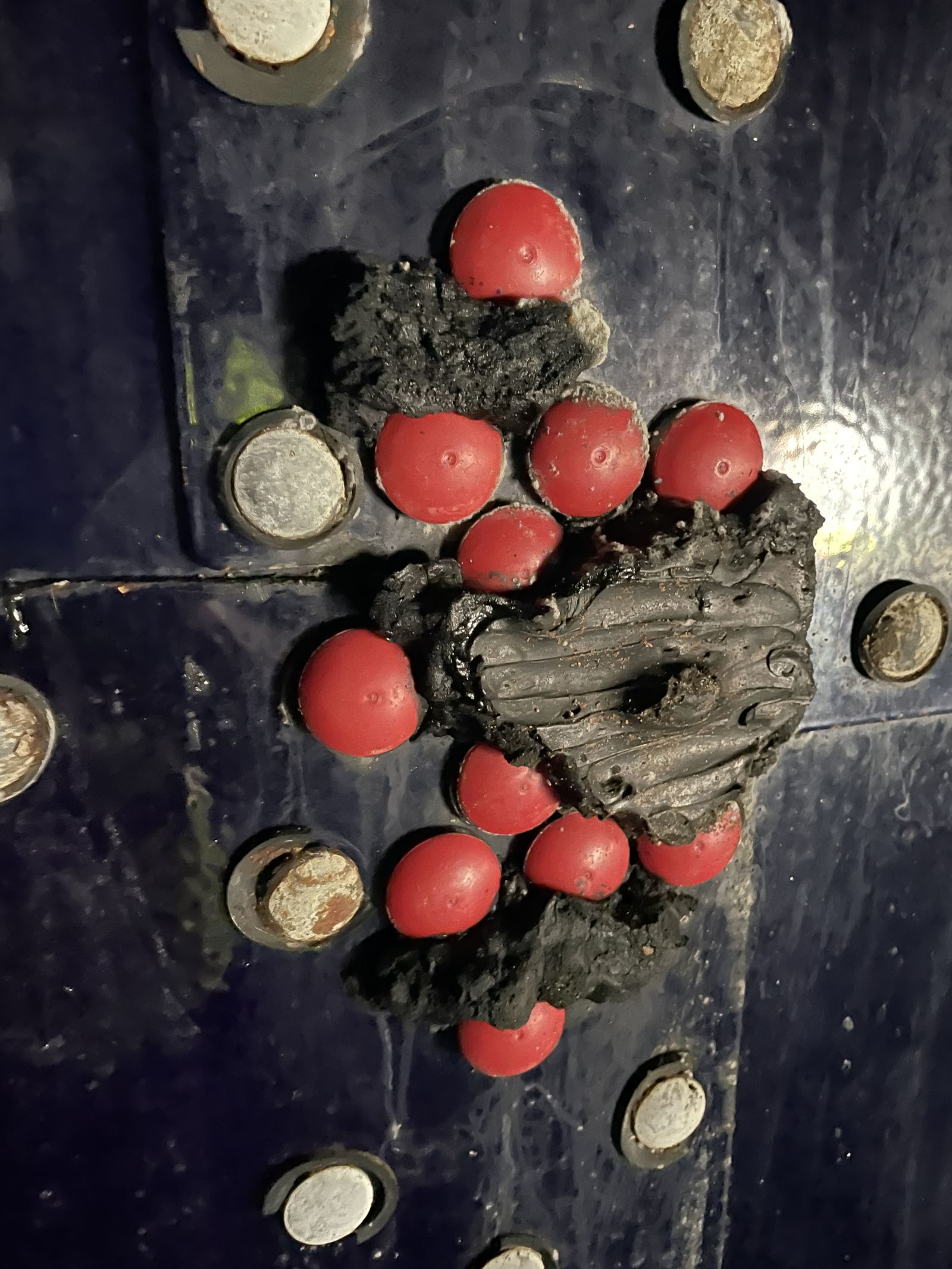
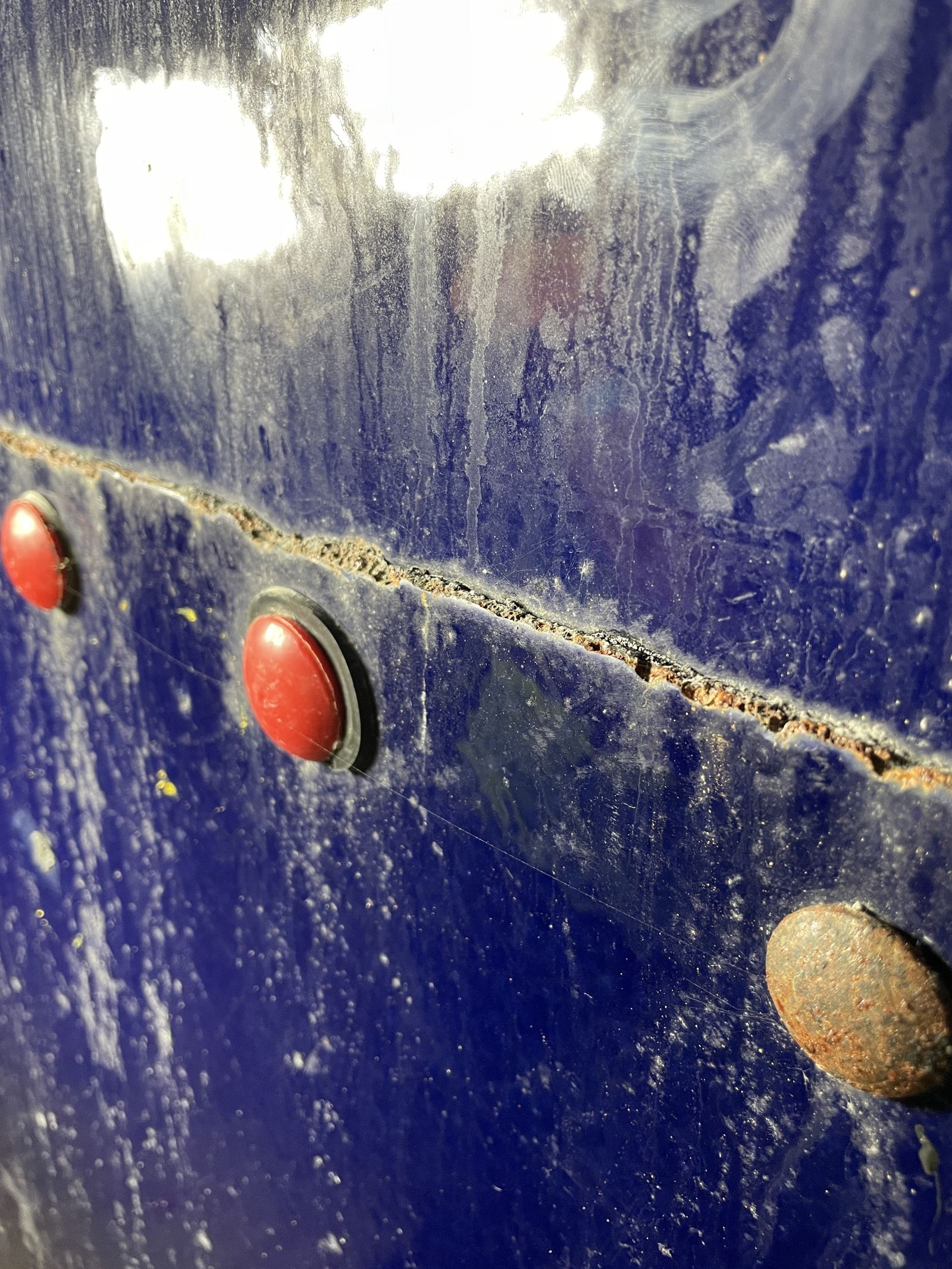
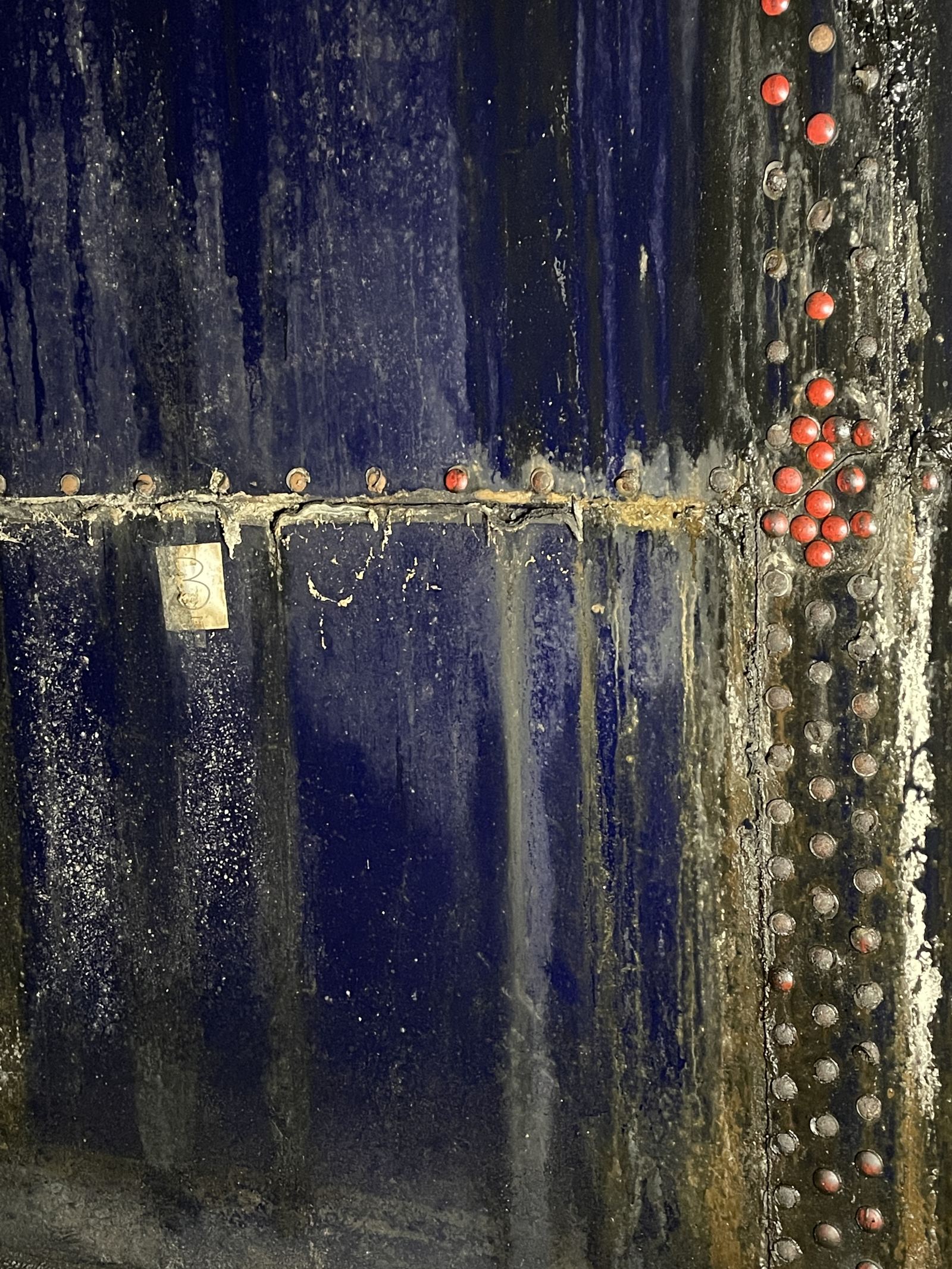
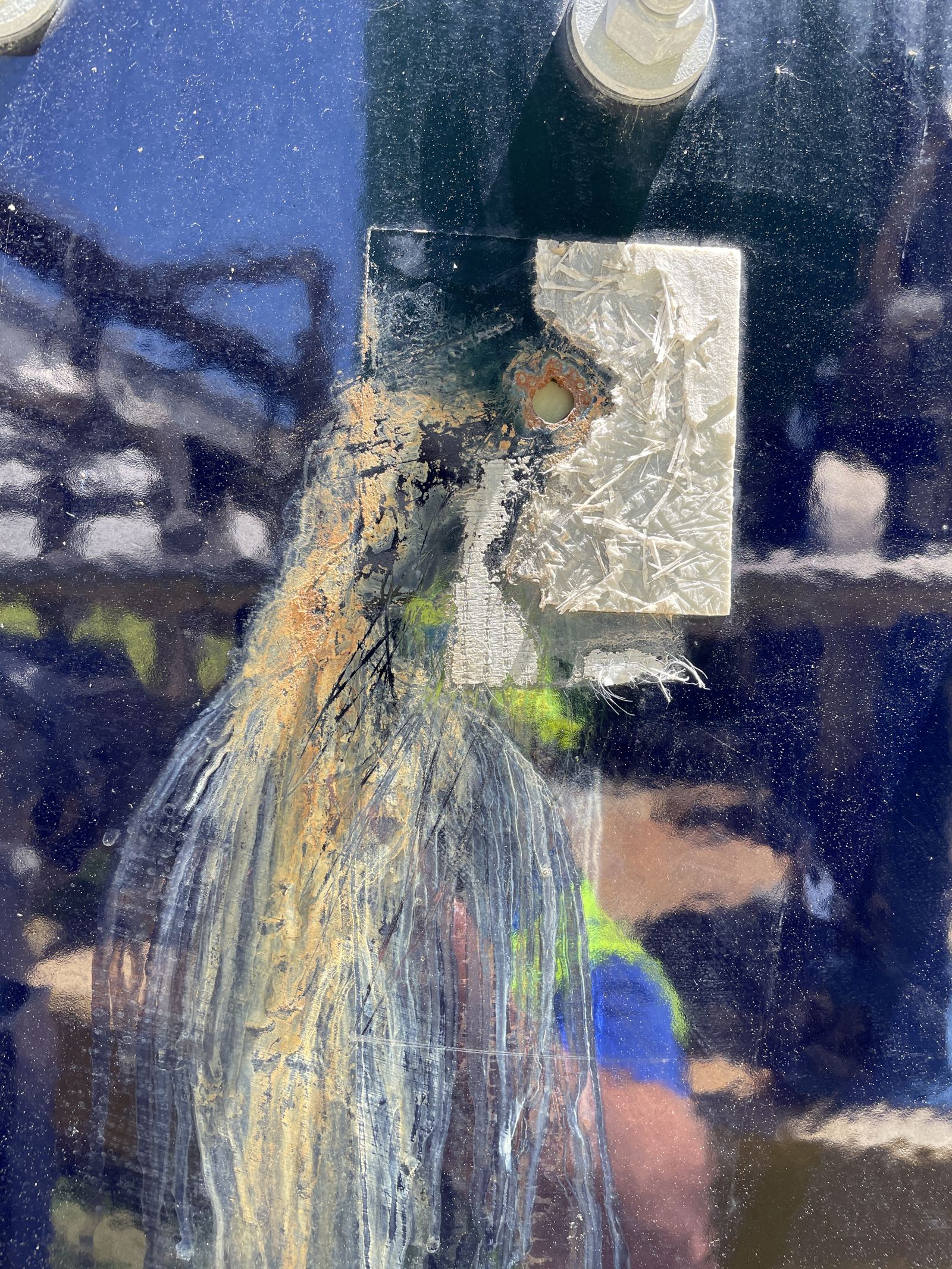
Field inspections are performed by CCI’s credentialed inspection team, not by our sales staff. We scope the job with you, coordinate the schedule, and stay with you after the report. The findings come from certified inspectors.
Ask for the certificate details of the inspectors assigned to your project when you schedule.
A redacted sample of what you receive: the executive summary, the data, the photos and a prioritized action list.
We don’t hand you a binder and leave. The same team helps you choose what to do with the findings and then gets it done.
Certified inspectors document condition: UT wall-loss data, coating survey, structural findings and a prioritized action list.
We go through the findings with you and compare costs over the life of the tank, so the decision rests on data rather than a vendor’s pitch.
Sealant and bolt-cap repairs, an interior reline, or a replacement tank. We source and coordinate the work so the recommendations actually get done.
HolidayGuard™ watches the coating continuously while the tank stays in service, so the next breach is found early instead of at the next five-year inspection.
Not sure you need an inspection yet? Send a few photos and the nameplate data. A credentialed inspector reviews them remotely at no cost and with no site visit.
A desk screening is an informal read from photos. It is not an inspection, a condition rating or a fitness-for-service finding. If the tank is leaking or you suspect structural failure, call 330-265-1776 instead of waiting on a reply.
Tell us what you're running and what's worrying you. We'll scope the right level of assessment — in-service survey, interior entry, or full failure investigation — and respond within one business day.
Walk your own tank once a year with the checklist, then use the decision guide when a finding turns into a budget question.
A one-walk checklist adapted from the Bolted Tank Operator’s Guide. Tick every line, photograph what you find, and send us anything marked “Act.”
An aging tank is a six-figure decision. Our decision guide covers corrosion-rate thresholds, when a reline buys years and when it wastes money, and how to read an inspection report.
Tanks, covers, coatings, accessories, and technical review combine in a single configured quote. Give us 24 hours and a project address.