
We study why tanks fail — so we spec yours to last.
The buyer's deepest risk is not price. It is specifying the wrong system and then owning the failure for the next thirty years. We bring failure-mode forensics into the specification, before a single panel is rolled, so the tank you buy is matched to the service it actually has to survive.
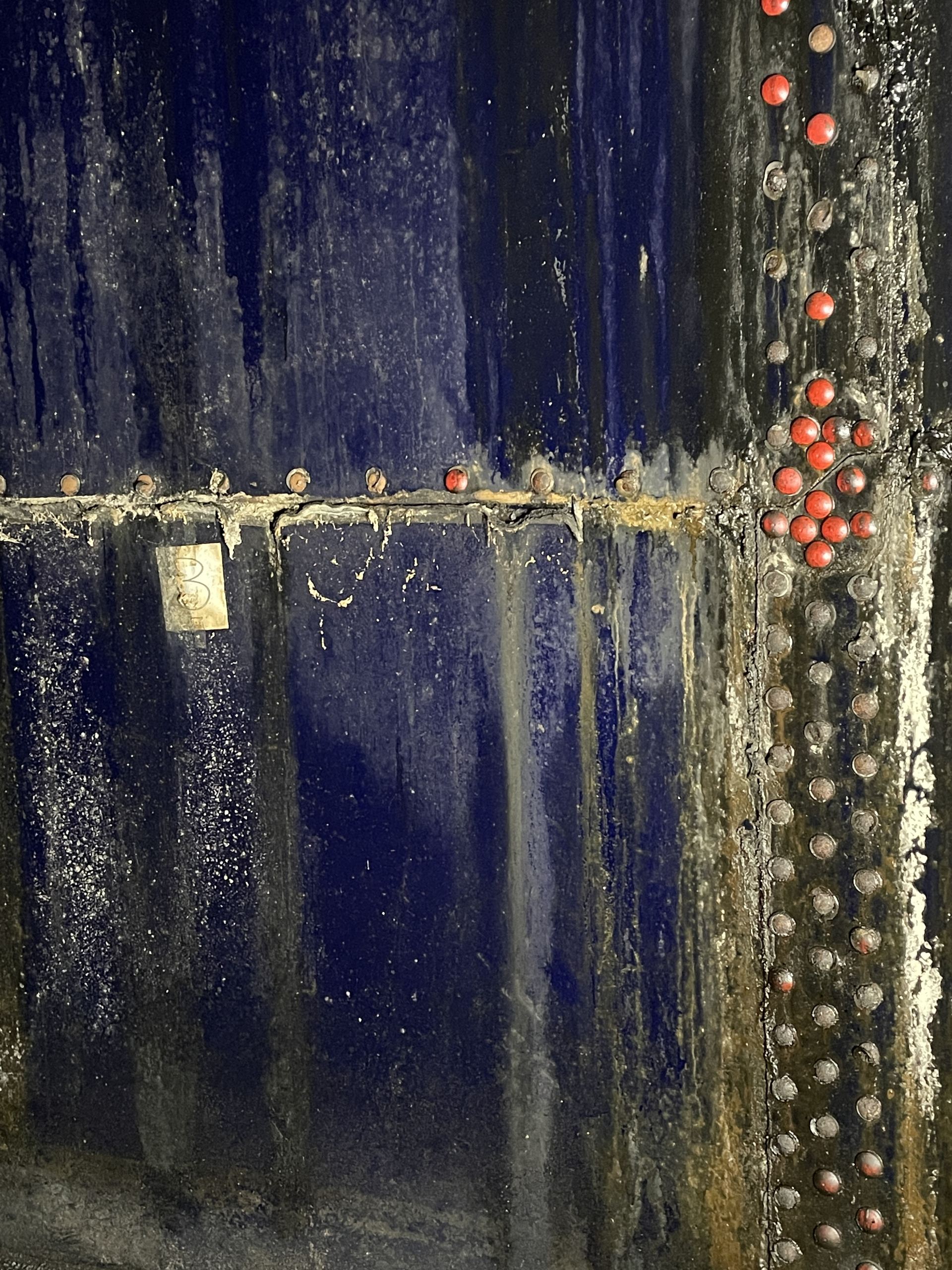
The wrong material on the wrong service is a five-year failure.
Across decades of field assessments and post-failure teardowns, one pattern dominates: material and coating selection drives service life more than any other decision on the project. Wall thickness, bolt grade, and erection quality matter — but a sound tank lined for the wrong chemistry will still corrode through on schedule.
A commodity reseller treats a tank as a catalog SKU: pick a diameter, pick a height, ship it. A forensic supplier treats it as a system that has to win a fight against a specific fluid, at a specific temperature, in a specific exposure zone, for decades. The difference between those two approaches is the difference between selling a tank and preventing a failure. Everything below is the accumulated, generalized field knowledge we feed back into how we spec.
Run your service through the failure diagnostic.
Reading about failure modes is useful. Knowing which ones are coming for your tank is better. Answer five questions about the duty and this returns the ranked failure modes for that specific combination, the mechanism driving each, a screening corrosion rate broken out by exposure zone, the materials that screen clean or fail, and the exact specification language that prevents each mode.
How tanks actually fail — and how correct specification prevents each one.
These are the recurring mechanisms behind early storage-tank failures. Every one is a decision made on paper before fabrication. Read them as a checklist for your own spec.
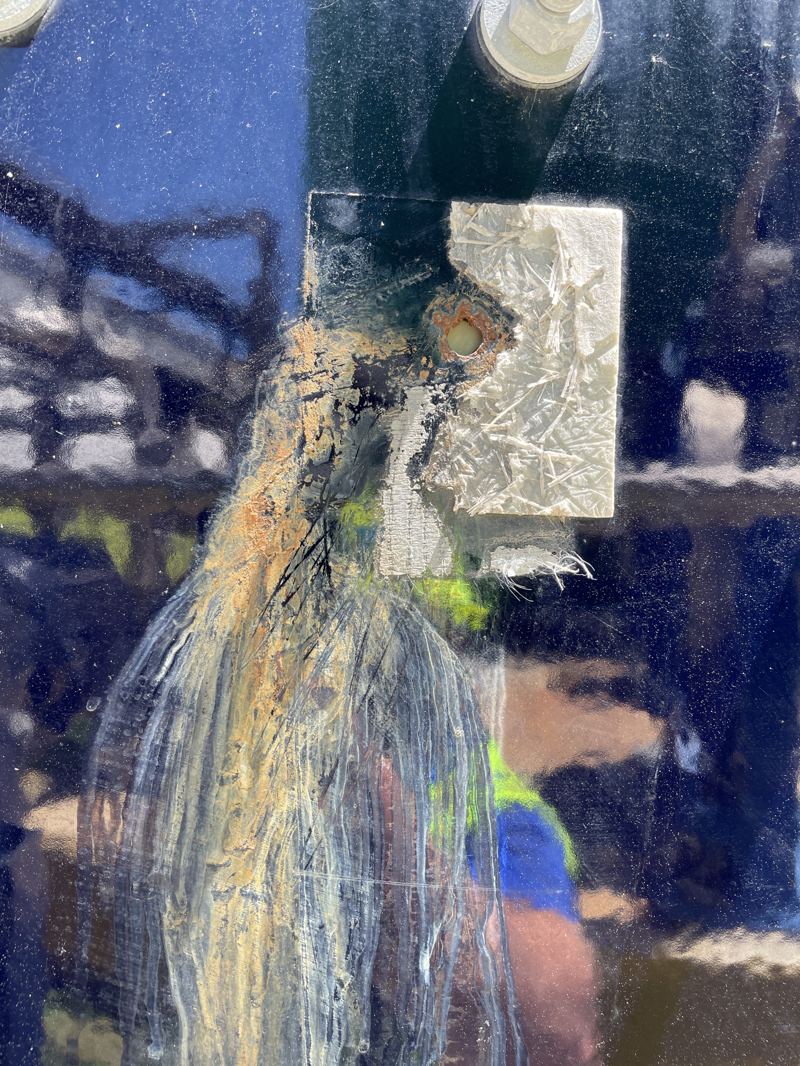
Coating / lining mismatch to service chemistry
- Mechanism
- A coating qualified for benign water is placed in a duty it was never formulated to resist — for example a standard epoxy in a low-pH, acidic, or anaerobic digester service. The film softens, blisters, and disbonds, and the steel beneath corrodes freely.
- How correct specification prevents it
- Match the lining chemistry to the actual fluid, pH, temperature, and vapor-space condition before selecting a product — not after a sample arrives blistered.
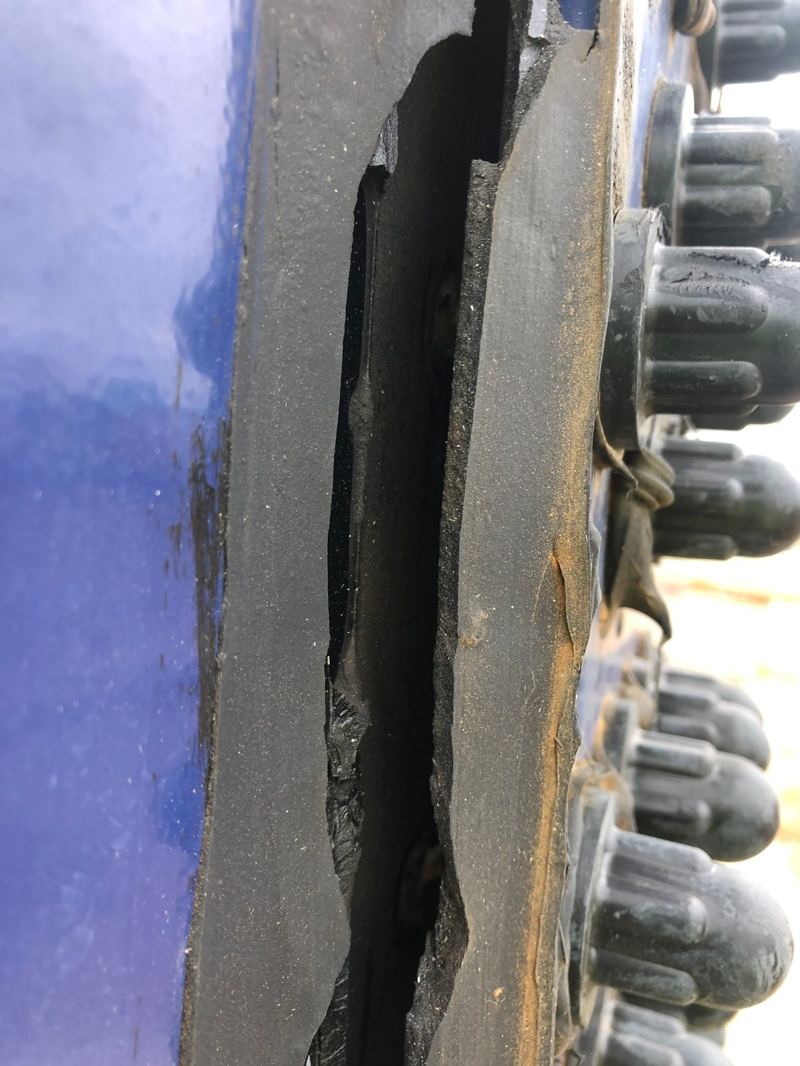
Sealant & gasket selection
- Mechanism
- Bolted-seam mastics, EPDM gaskets, and tape sealants are chosen on cost rather than service. The wrong elastomer hardens, takes a set, or is degraded by UV, service temperature, or chemistry, and the seam begins to weep.
- How correct specification prevents it
- Specify seam sealant and gasket material against service temperature, fluid chemistry, and UV exposure, with a compatibility check rather than a default mastic.
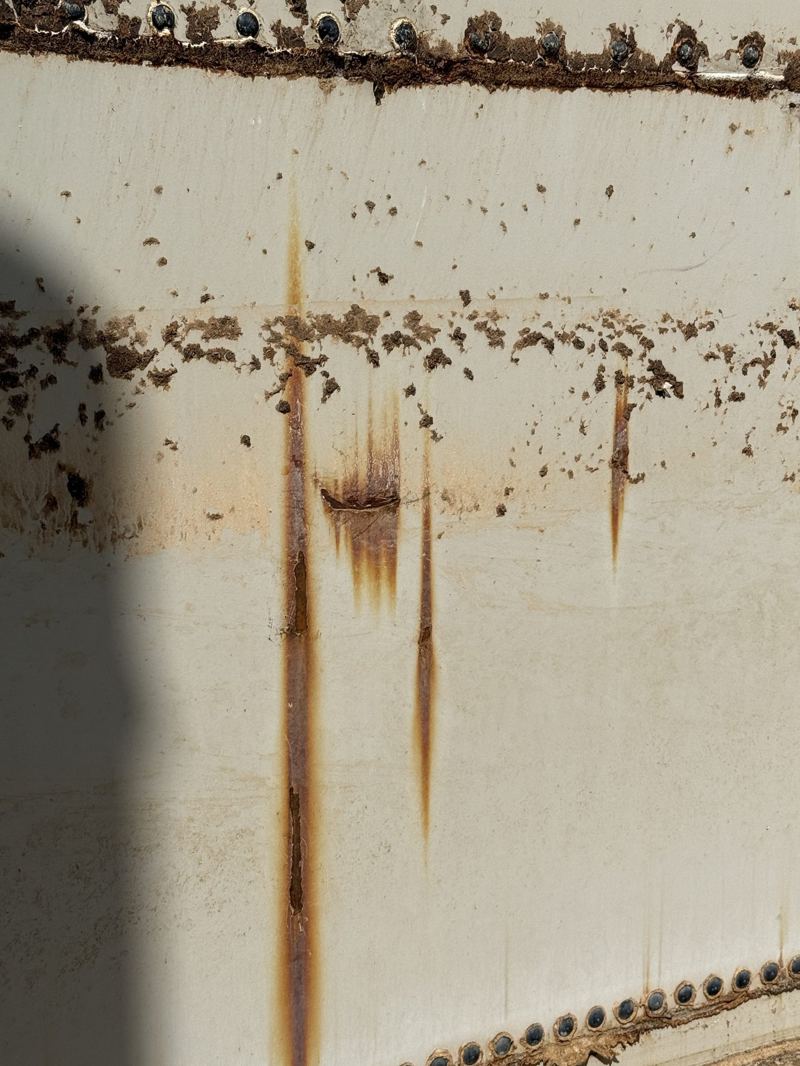
Corrosion-rate realities
- Mechanism
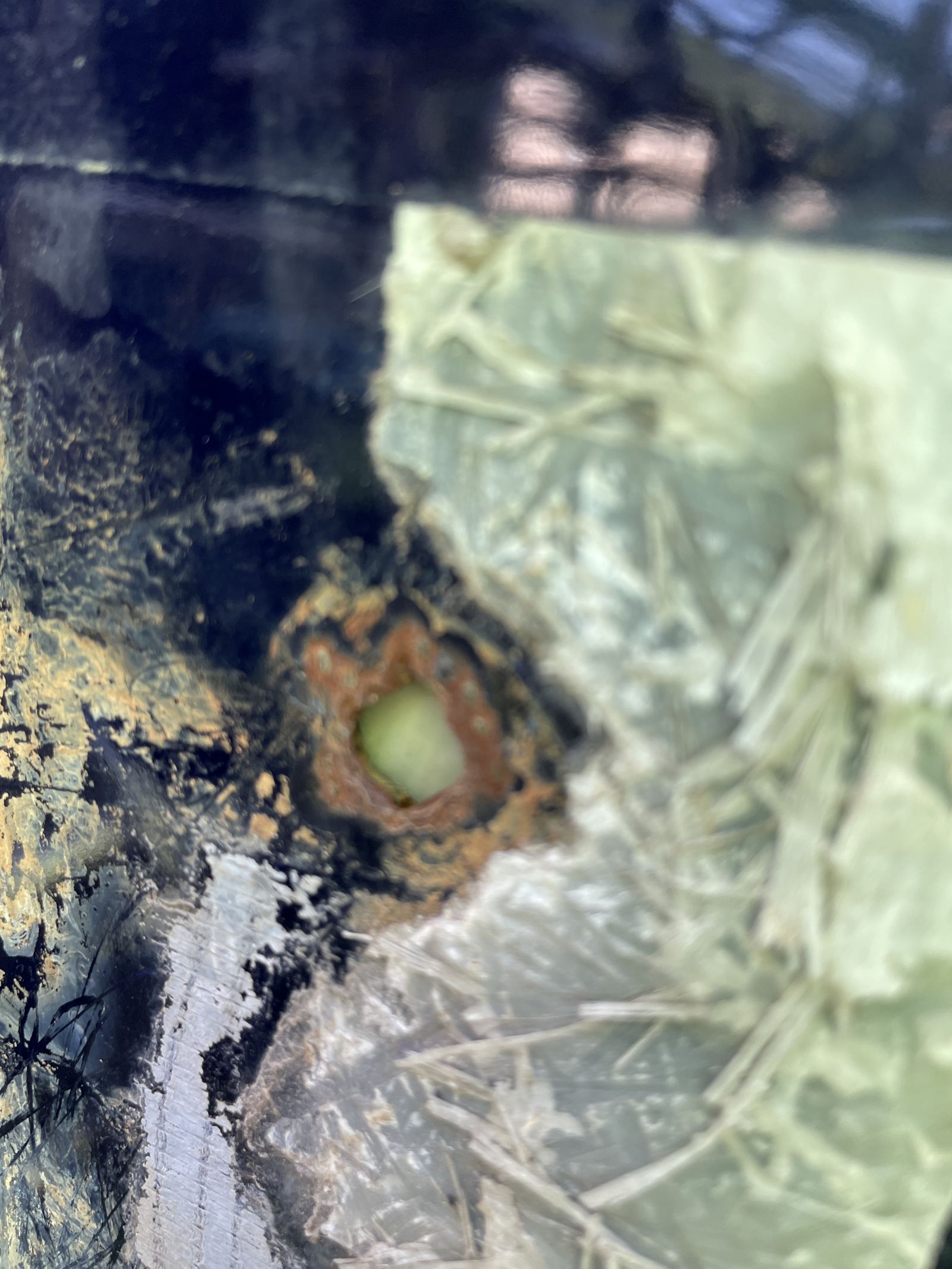
- Design corrosion allowance is set off a generic table while the real environment is far harsher — under-deposit corrosion beneath settled solids, microbially-influenced corrosion (MIC) in stagnant zones, and accelerated loss in the splash and vapor zones where headspace condensation concentrates aggressive species.
- How correct specification prevents it
- Set corrosion allowance and lining selection by exposure zone — immersion, splash, and headspace are different problems — and account for deposits and microbial activity, not just bulk fluid.
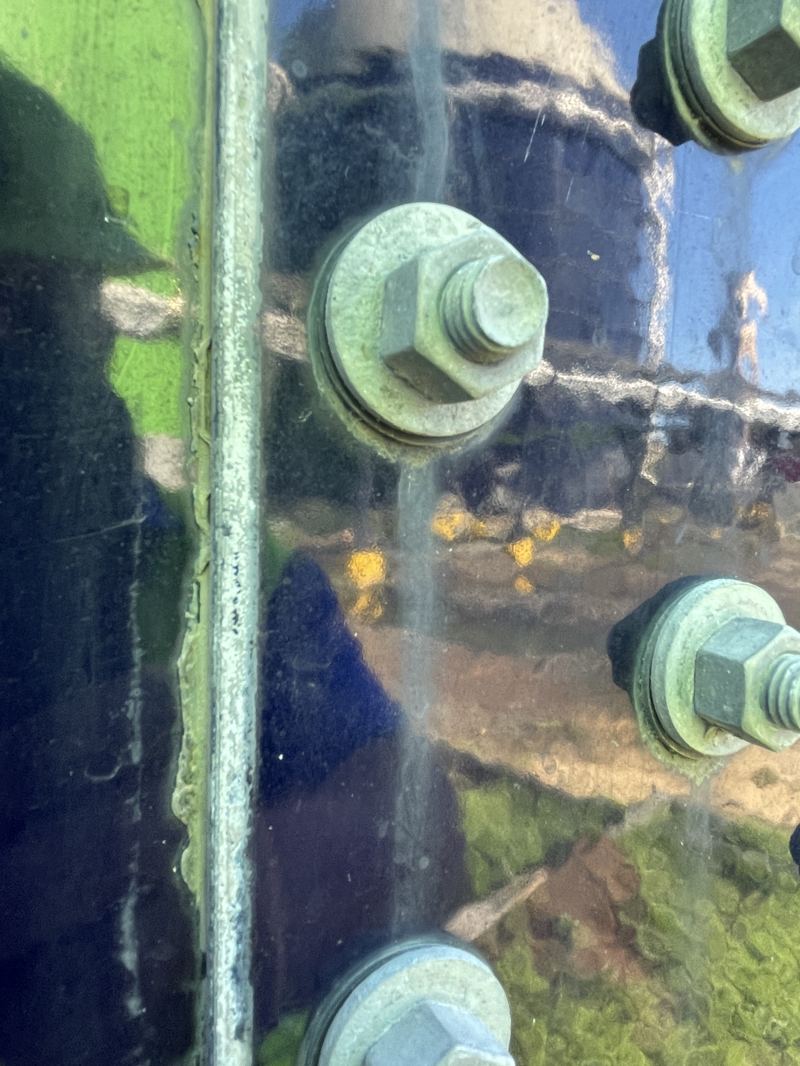
Galvanic / dissimilar-metal coupling
- Mechanism
- Fasteners, nozzles, and appurtenances of a different alloy than the shell create a galvanic couple in the electrolyte. The less-noble metal corrodes preferentially, concentrating attack at the very connections holding the tank together.
- How correct specification prevents it
- Specify compatible alloys or proper isolation at fasteners, nozzles, and dissimilar-metal interfaces, and coat or cap connections so no active couple is left exposed.
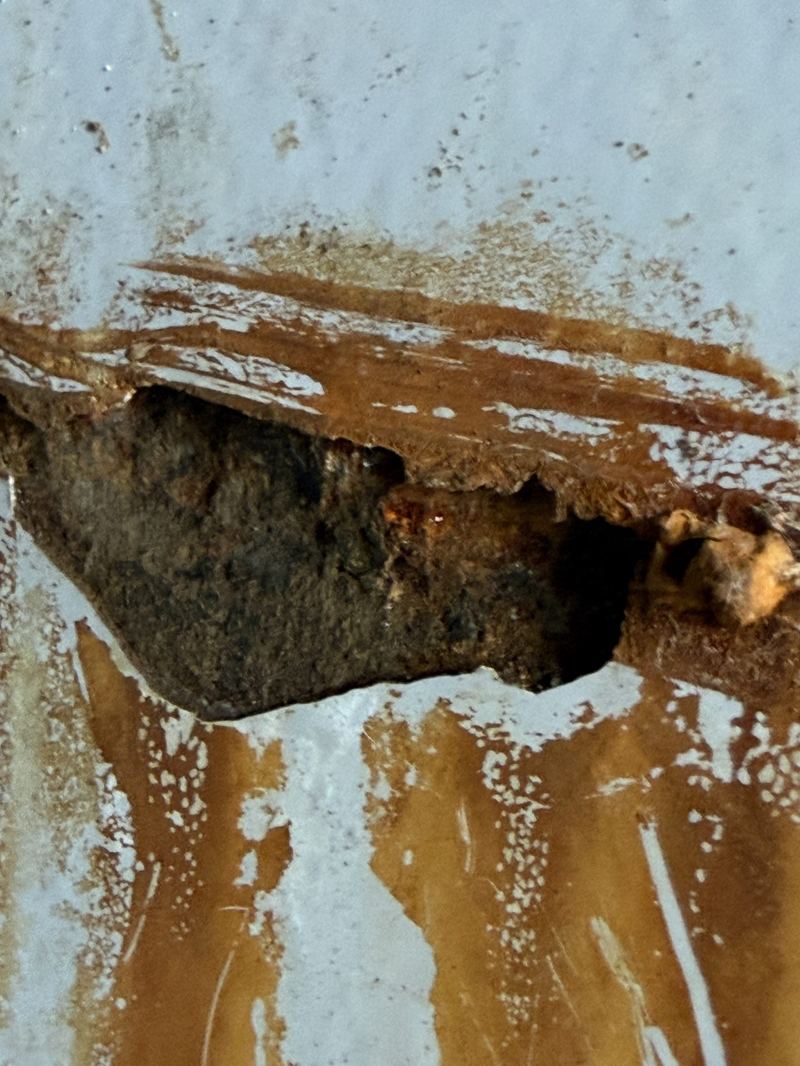
Cathodic protection & interior corrosion control gaps
- Mechanism
- A submerged-service tank is built with no interior cathodic protection, or with a system that is never commissioned or maintained. Holidays in the lining then become concentrated anodes and pit rapidly straight through the floor and lower shell.
- How correct specification prevents it
- Pair the lining with an appropriately sized cathodic protection system for immersion service, and specify commissioning and survey intervals so coating defects do not become pinhole leaks.
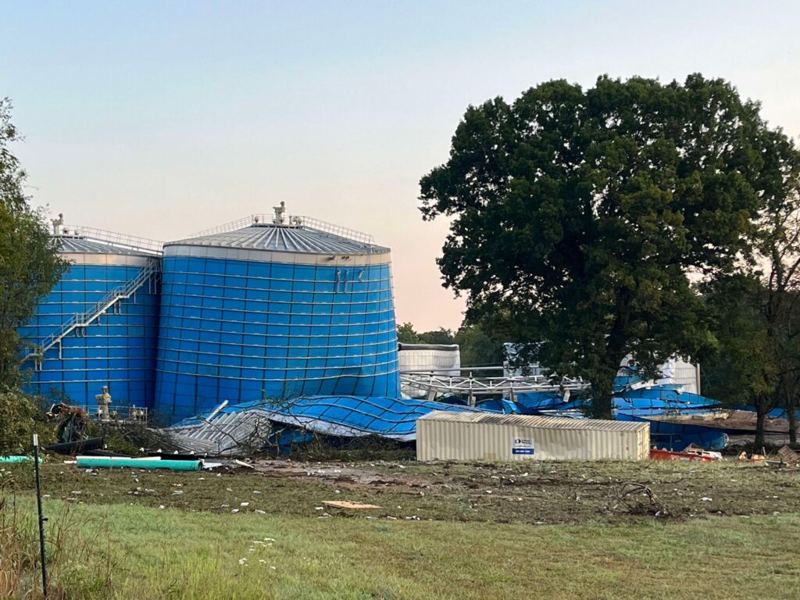
Code & standard misapplication
- Mechanism
- The wrong standard is applied to the tank type, or a standard is treated as a guarantee. AWWA D103 (bolted steel), D100 (welded steel), and D110/D115 (concrete) are not interchangeable, and seismic site class, wind and snow loads, and NSF/ANSI 61 potable certification are quietly omitted.
- How correct specification prevents it
- Confirm the governing standard for the tank type, verify seismic and wind/snow loads for the actual site, and require NSF/ANSI 61 where the contents are potable — explicitly, on the spec.
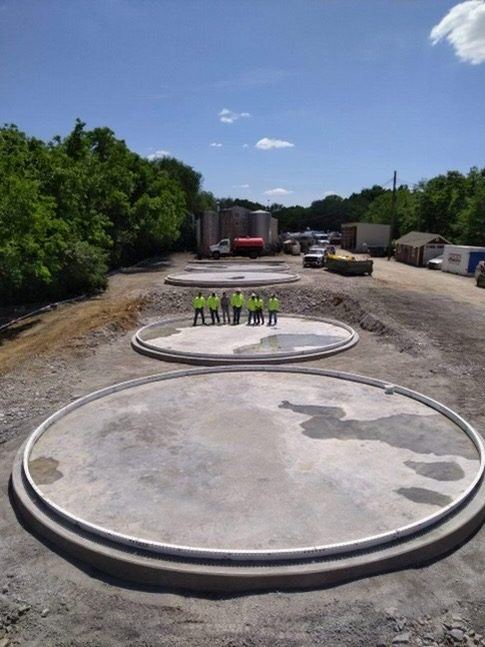
Foundation & differential settlement
- Mechanism
- An undersized or poorly drained ringwall, or fill that settles unevenly, tilts and distorts the shell. Differential settlement opens bolted seams, overstresses the floor-to-shell joint, and cracks coatings along the strain.
- How correct specification prevents it
- Design the ringwall and subgrade for the real soil and load, with proper drainage and settlement limits, so the shell stays round and the seams stay sealed.
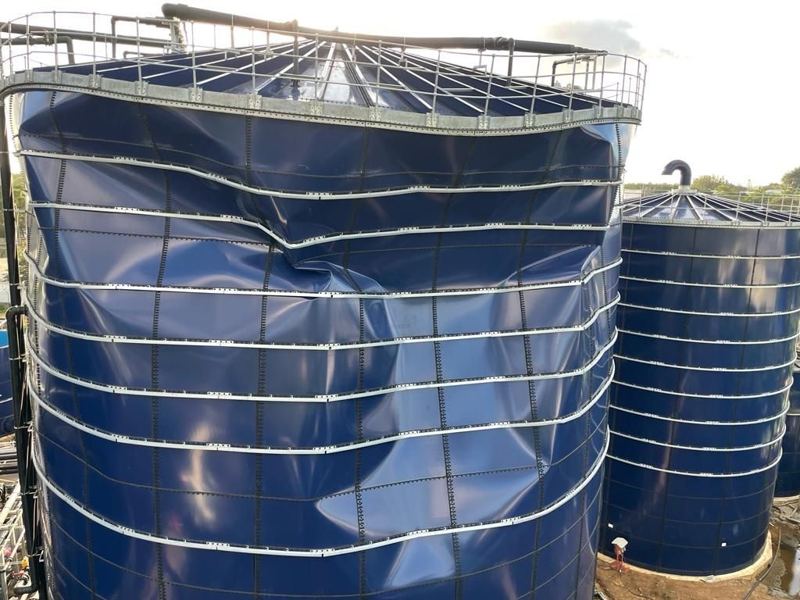
Roof, venting & overpressure / vacuum
- Mechanism
- An under-vented tank cannot keep up with pump-out. Drawdown pulls a vacuum the shell was never designed to resist and the roof or wall implodes — and conversely, blocked vents on fill can overpressure the roof.
- How correct specification prevents it
- Size pressure and vacuum venting to the maximum fill and draw-down rates, and specify vent screens and freeze protection so the relief path cannot be lost in service.
How we bring forensics into your spec.
The failure modes above are not abstractions to us — they are the lens we run every quote through. This is the sequence.
Failure-analysis FAQ
The questions buyers and engineers ask most, answered from accumulated field and forensic experience.
How long do bolted steel tanks last?
Why do storage tanks fail early?
What is the most common cause of tank coating failure?
Does AWWA D103 guarantee a tank won't corrode?
Can a failing tank be relined instead of replaced?
Put the forensics to work on your tank.
Configure a system matched to your service from the start, or have us assess an existing tank before the next failure becomes your problem.
Already own a tank that worries you? Start with our inspection services for existing tanks — a condition assessment identifies the active failure mode before it becomes a leak.