
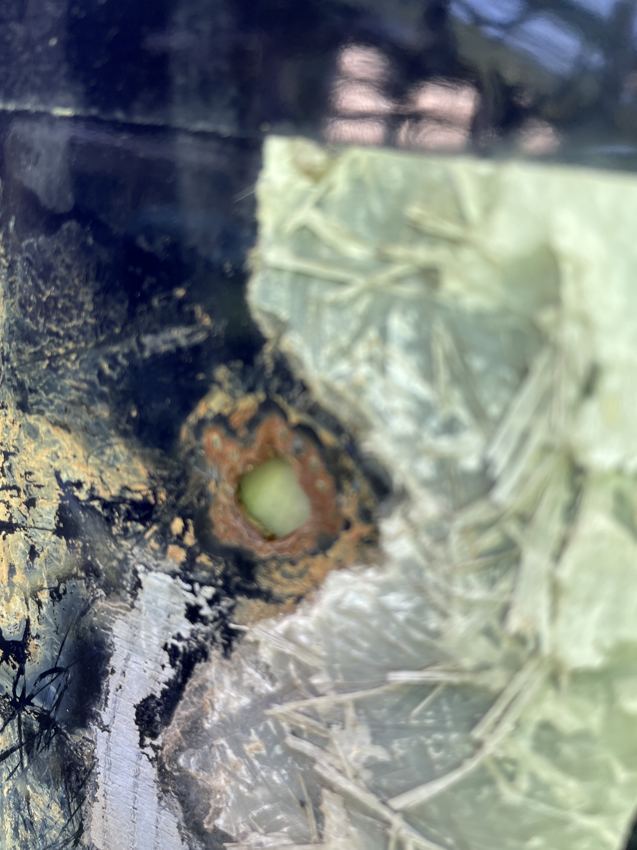
A storage tank bleeding rust, leaking at a seam, or shedding concrete forces a decision — and the reflex answer, “replace it,” is often the most expensive one. Many tanks have a sound structure under a spent coating, where the right move is to renew the barrier, not the asset.
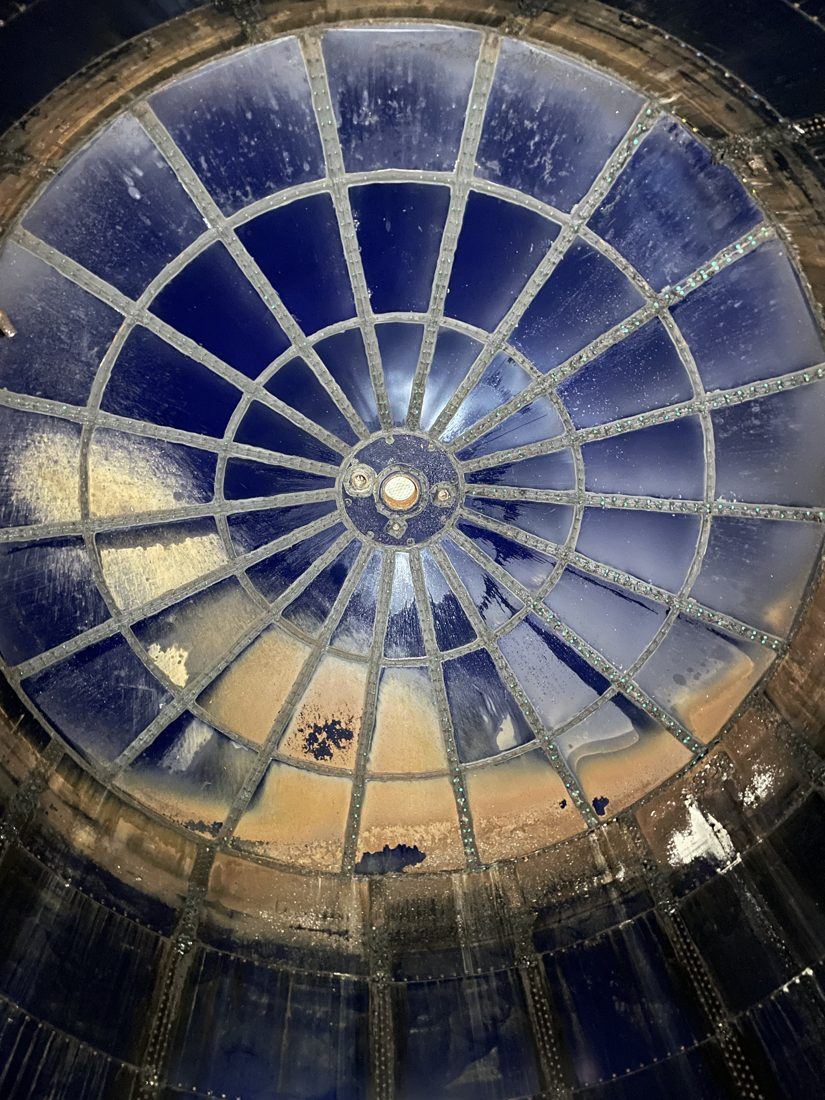
01 Start with a condition assessment
You can't choose between repair, reline, and replace without knowing what you're working with. A useful assessment looks at:
- Shell and structure — ultrasonic thickness, remaining metal, weld/seam condition, and (on concrete) cracking, spalling, and reinforcement or prestressing condition.
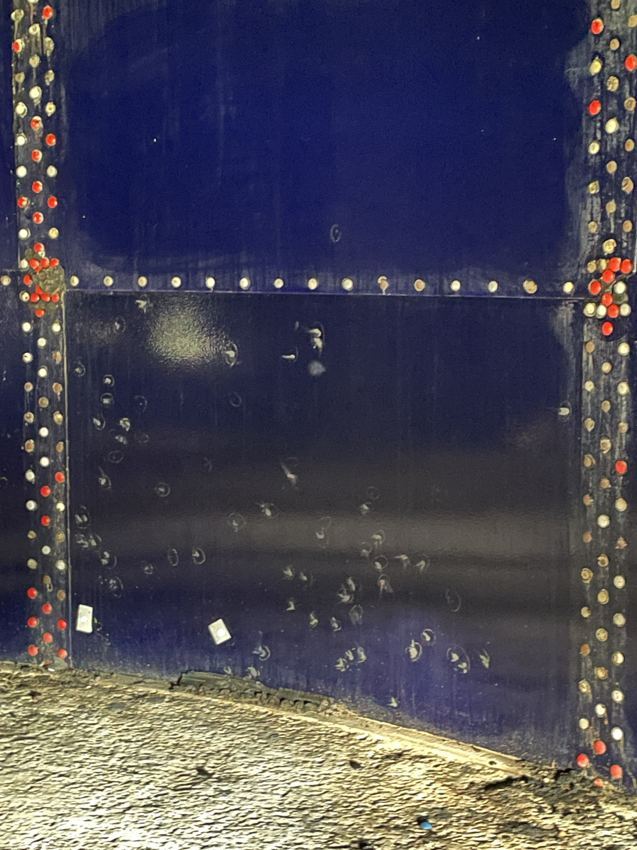
- Coating — dry-film thickness, adhesion (pull-off), and the extent of holidays, blistering, or undercutting.
- Appurtenances — nozzles, manways, roof, vents, and seals.
- Fitness for service — evaluated against the governing framework (API 653 for steel tank inspection and reconstruction; AWWA inspection practices for water tanks).
The output isn't a verdict — it's a map: which problems are surface, which are structural, and how much sound asset remains.
02 Repair: when the shell is sound and the damage is local
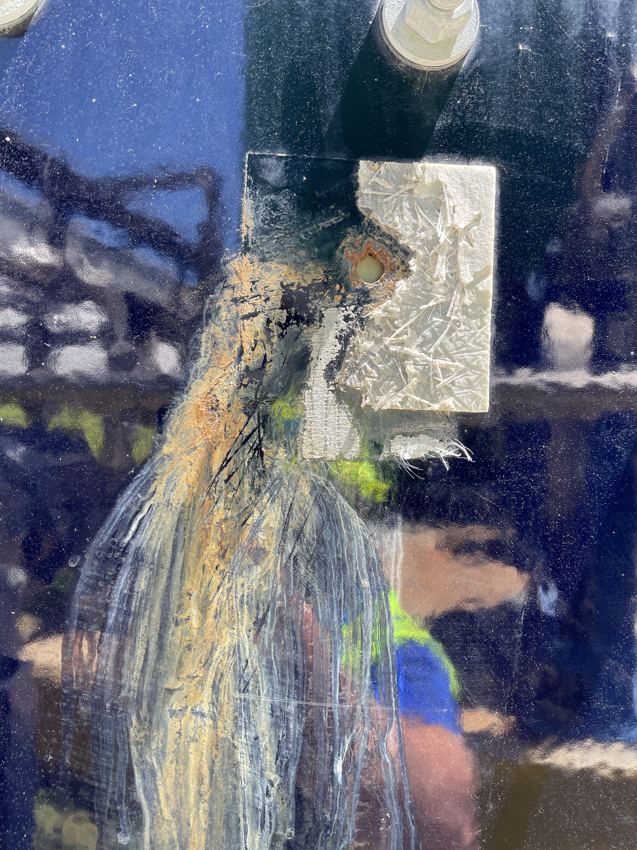
If the structure is healthy and the problems are confined — a damaged coating area, a leaking seam, a corroded nozzle, a failed seal — targeted repair is the lowest-cost path. Spot-blast and patch the coating, weld-repair the defect, replace the appurtenance, and the tank is back in service for a fraction of replacement cost. Repair is the right call when the damage is the exception, not the rule.
03 Reline: renew the barrier, keep the structure
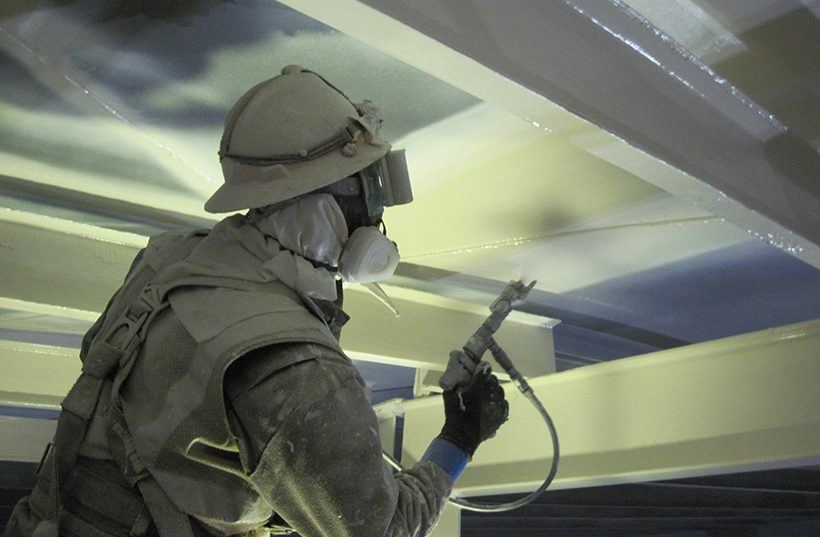
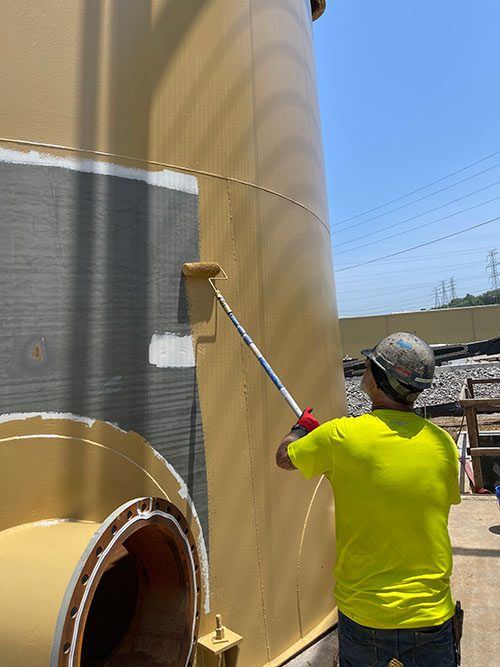
This is the option owners most often overlook. When the structure is sound but the coating is at the end of its life — generalized but shallow corrosion, a spent lining — the tank doesn't need replacing; it needs a new barrier. A full interior reline with an NSF/ANSI 61 epoxy or polyurea system restores corrosion protection and resets the maintenance clock for decades, at a fraction of the cost of a new tank. This is exactly why a field-recoatable tank is such a long-term asset: the steel is the durable part, and the lining is renewable.
Replacement is one option — not the default. A structurally sound shell can often be relined for a fraction of the cost of a new tank.
04 Replace: when the structure — or the coating system — is at its limit
Replacement is the right answer when the assessment finds the structure compromised or the coating system un-renewable:
- Section loss — wall thickness below what fitness-for-service allows.
- Concrete distress — significant spalling, active reinforcement or prestressing-wire corrosion, or wire breaks.
- A non-renewable coating — glass-fused-to-steel can't be field-recoated, so at end of coating life the practical option is replacement of the system.
- Capacity or compliance — the tank no longer meets the duty or current code.
When the bones are gone, relining a failing structure only buys a little time at real expense.
05 The economics of the decision
The cost order is usually clear: repair < reline < replace. A localized repair is cheapest; a full reline is a planned, budgetable mid-life event; replacement is a capital project with the longest downtime. The trap is treating a coating problem as a structural one and jumping to replacement — paying for a new tank when a reline would have delivered decades more service. The assessment is what keeps that from happening.
First cost is only half the argument, though, and it is the half that loses in front of a board. Relining almost always wins on bid day and can still be the more expensive path over thirty years if the shell gets replaced partway through the lining's life — the lining is then paid for twice. Our 50-year lifecycle cost calculator puts numbers on that: it prices a reline against a factory-coated FBE bolted tank, glass-fused-to-steel, concrete, field-welded steel and stainless on net present value and equivalent annual cost, charges the deferred replacement against the reline, and reports which assumption would change the answer. The input that moves it most is remaining structural life — which is exactly what the condition assessment measures.
06 A simple decision framework
| What the assessment finds | The right move |
|---|---|
| Sound structure · localized coating or component damage | Repair |
| Sound structure · coating at end of life (renewable system) | Reline / recoat |
| Sound structure · non-renewable (glass-fused) coating failed | Replace the system |
| Wall loss below fitness-for-service · active structural distress | Replace |
| Concrete: prestressing-wire corrosion or breaks · major spalling | Replace |
| Capacity or code no longer met | Replace (or supplement) |
A corroding or leaking tank isn't automatically a replacement project. With a clear condition assessment, most aging tanks sort cleanly into repair, reline, or replace — and the middle option, relining a sound shell, is the one that most often saves the owner a tank's worth of capital.
TanksandCovers.com performs the condition assessment and supplies the repair, relining, and replacement solutions to act on it.