
Tanks for generator fuel, chilled-water TES and fire water.
Steel storage for data center campuses: bulk and day tanks for generator diesel, thermal energy storage for cooling ride-through, fire-protection reserve and make-up water, plus temporary, rental and buy-back tanks for construction and commissioning.
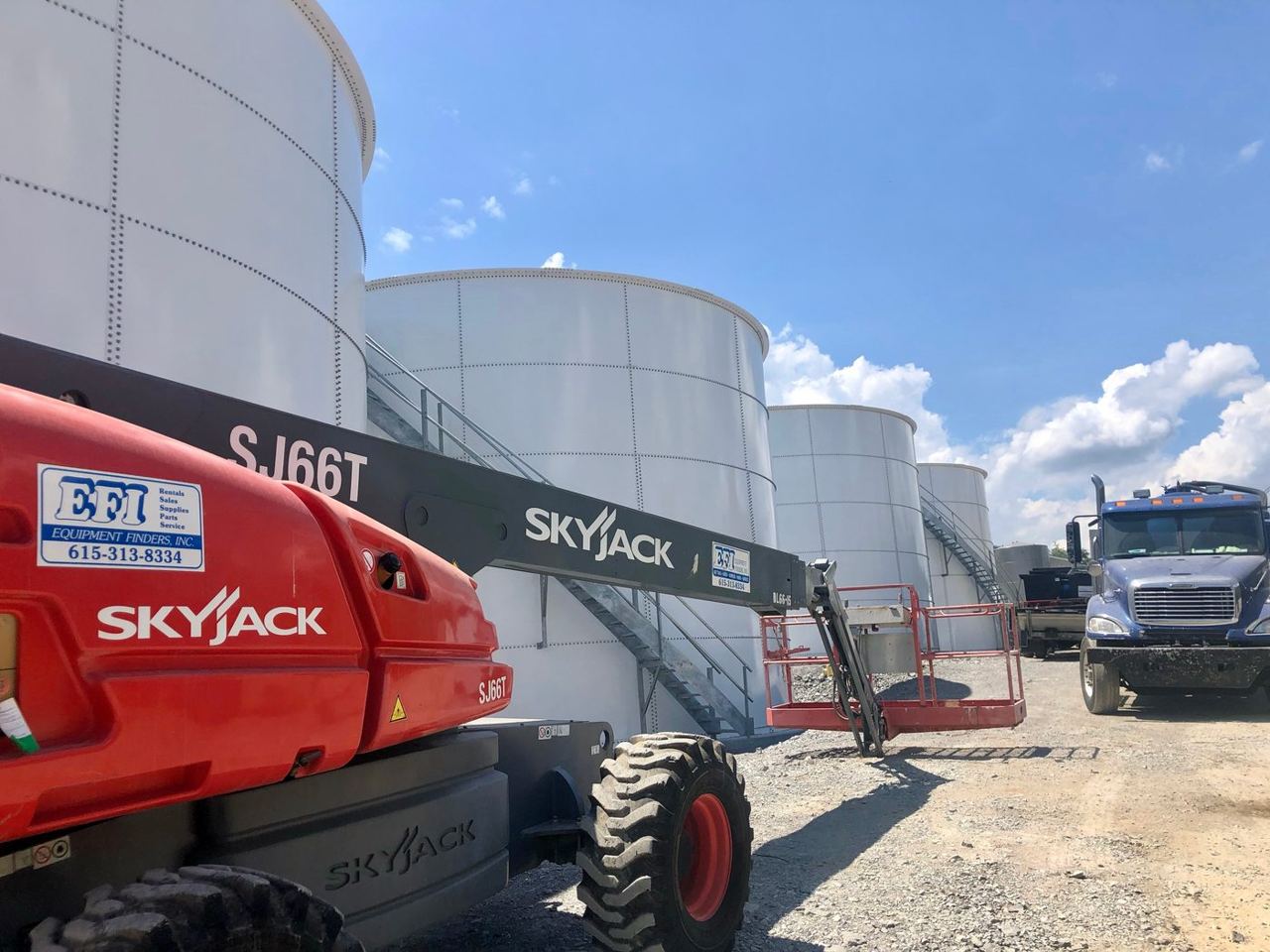
A data center usually needs four kinds of storage: diesel for standby generators (sized to the NFPA 110 runtime class and stored under NFPA 30 and UL 142), chilled water for TES (a stratified, insulated tank to AWWA D100 or D103), fire-protection water (NFPA 22), and make-up water for evaporative cooling. Temporary tanks cover the gaps during construction, commissioning and retrofits.
What a campus actually stores.
Each duty has its own code, its own failure modes and its own schedule pressure. We scope them together so nozzle layouts, containment, foundations and delivery dates line up across the site.
Generator fuel
Bulk diesel storage and day tanks sized to the required runtime, with containment, overfill protection and SPCC-ready inspection access.
Generator fuel tanks →Thermal energy storage
Stratified chilled-water tanks for ride-through and load shifting, insulated and lined for the treated loop water.
TES tanks →Temporary, rental & buy-back
Tanks that arrive complete for construction water, temporary fire reserve, commissioning fuel or a chiller retrofit, then leave.
Temporary tanks →Fire-protection water
Bolted or welded fire-water reserve tanks to NFPA 22, sized to the sprinkler demand and duration the fire protection engineer sets.
Design a fire tank →Make-up & process water
Storage for cooling tower make-up, reclaimed or reuse water, and treatment equipment, so a supply interruption doesn’t become a cooling event.
Bolted water tanks →Inspection & relining
Condition assessments for tanks on operating campuses, with repair and reline scopes planned around uptime.
Inspection services →Diesel storage sized to the runtime you have to prove.
Runtime drives everything. Start from the NFPA 110 class (or the owner’s longer requirement), each generator’s full-load burn rate and how quickly fuel can be resupplied in a regional emergency. Then split the volume between generator base tanks, day tanks and bulk storage.
Bulk diesel storage
Aboveground steel tanks for the campus fuel reserve, sized to the required runtime and refueling plan.
- UL 142 steel aboveground tanks
- Double-wall or diked secondary containment
- Overfill prevention, high-level alarm and leak detection connections
- Fill, vent, emergency vent and gauging nozzles laid out to NFPA 30
Day tanks & transfer
Shop-welded day tanks and horizontal saddle-mounted tanks for generator rooms and skid packages.
- Horizontal on saddles for height-restricted rooms
- Supply and return connections matched to the transfer system
- Level instrumentation coordinated with controls
- Delivered complete, set by crane or forklift
Fuel quality & tank life
Diesel stored for years grows water bottoms and microbes that corrode tank floors and clog filters.
- Low-point drains and water-draw connections
- Polishing loop nozzles specified up front
- Interior lining where the service calls for it
- Inspection access for the SPCC integrity schedule
A quick sizing check
Usable fuel = generator full-load burn (gal/h) × required runtime (h) × number of units running. Add the unusable volume below the suction and the ullage above the high-level alarm, then round up to a standard tank size. As a rough guide, a 2 MW diesel generator at full load burns on the order of 140–150 gal/h, so 48 hours for one unit is around 7,000 gallons of usable fuel before allowances. Use the manufacturer’s published consumption for your design.
Shop-welded steel tanks for this service are built to UL 142 and shipped complete. See shop-welded tank configurations, including horizontal tanks on saddles for fuel and lube oil service.
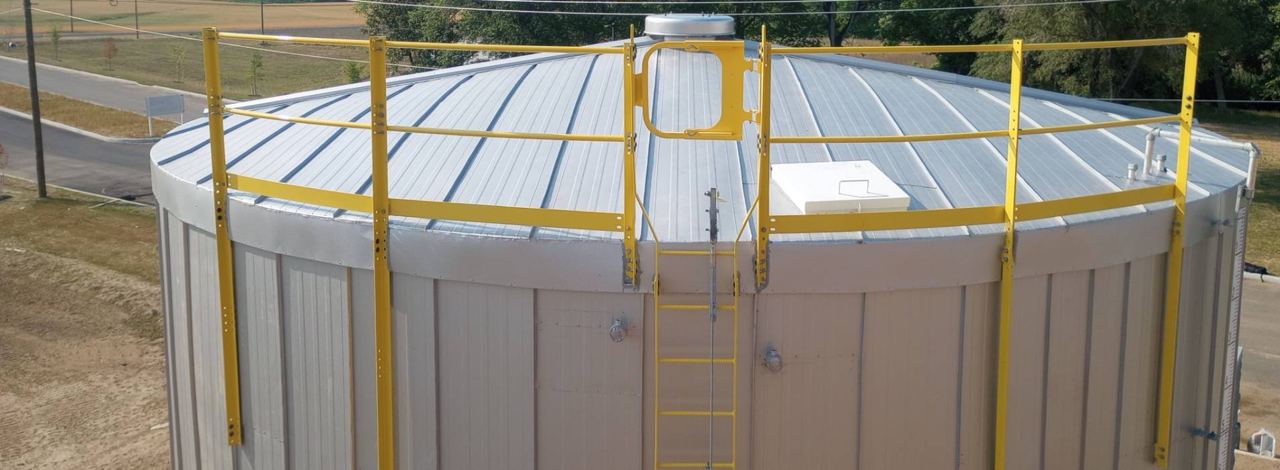
Chilled-water TES that holds its thermocline.
A TES tank only works if cold and warm water stay separated and the cold stays cold. That makes the diffusers, insulation and lining as important as the shell.
Storage for the months before the permanent system exists.
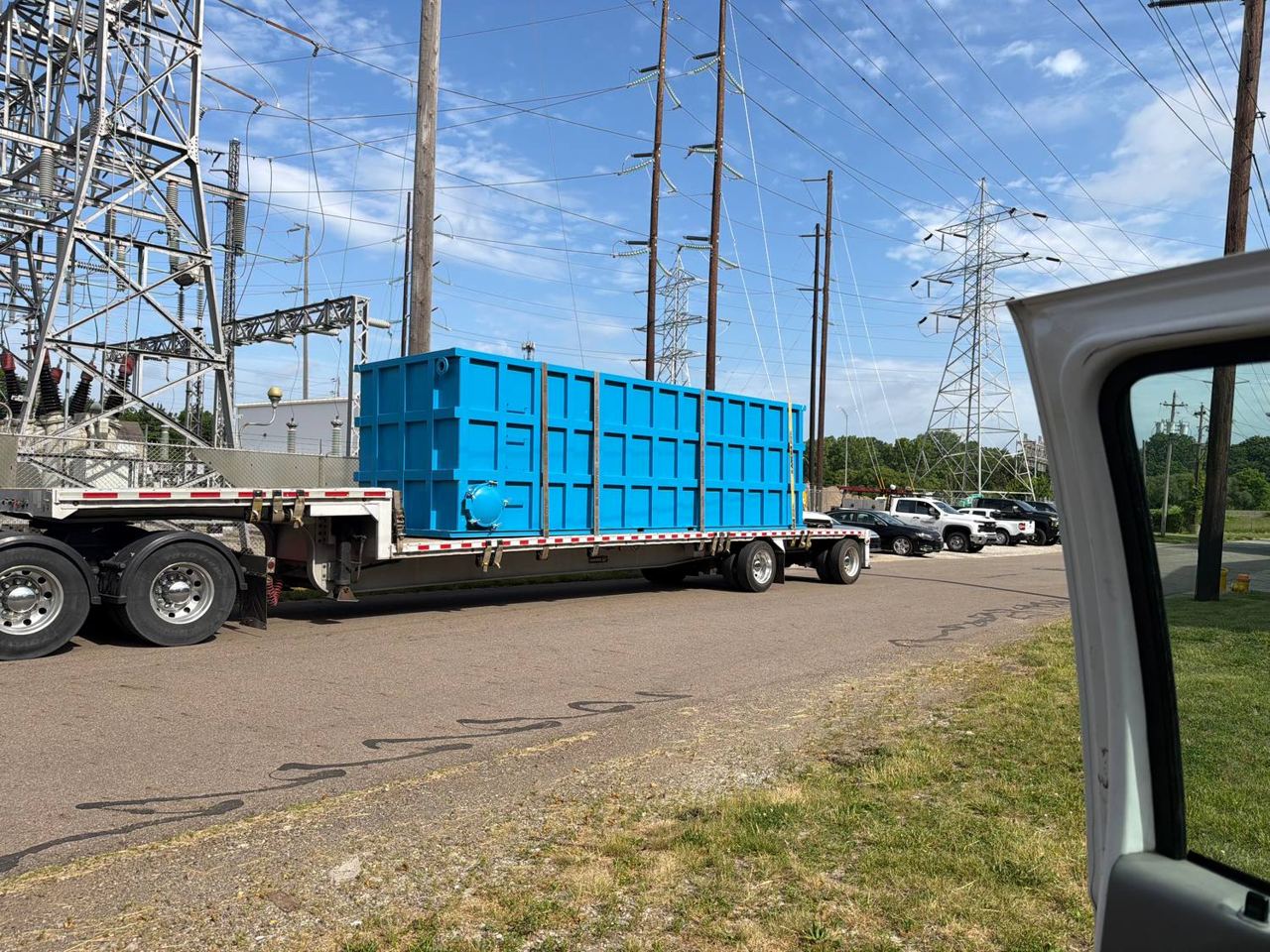
Data center schedules leave little room for a tank that is still being fabricated. Temporary storage fills the gap, and a buy-back or relocation plan keeps it from becoming a stranded asset.
The codes behind a data center tank package.
Editions and local amendments vary by jurisdiction. Confirm the adopted versions with the AHJ and the owner’s insurer.
- NFPA 110Emergency and Standby Power Systems. Sets runtime class and fuel-supply requirements.
- NFPA 30Flammable and Combustible Liquids Code. Covers diesel storage, venting, containment and spacing.
- NFPA 37Installation and Use of Stationary Combustion Engines and Gas Turbines. Covers fuel supply to generators.
- UL 142Steel Aboveground Tanks for Flammable and Combustible Liquids.
- 40 CFR Part 112EPA Spill Prevention, Control, and Countermeasure (SPCC) rule for oil storage above 1,320 gallons aggregate.
- NFPA 22Water Tanks for Private Fire Protection.
- AWWA D103Factory-Coated Bolted Carbon Steel Tanks for Water Storage.
- AWWA D100Welded Carbon Steel Tanks for Water Storage.
Data center tank FAQ
What size fuel tank does a data center generator need?
Size from the runtime the design requires, not from the generator alone. NFPA 110 assigns emergency and standby systems a class equal to the minimum hours of fuel on hand at full load (Class 48 means 48 hours, for example), and many owners and colocation contracts require more. Multiply each generator’s full-load fuel burn by the required hours, add unusable volume below the suction and the expansion space above the high-level alarm, then split the total between base (belly) tanks, day tanks and bulk storage. Send the generator schedule and runtime target and we will lay out the split.
Which code governs aboveground diesel tanks at a data center?
NFPA 30 covers storage of combustible liquids such as diesel, NFPA 37 covers fuel for stationary engines and generators, and NFPA 110 sets runtime and fuel-system requirements for emergency and standby power. Steel aboveground tanks are commonly listed to UL 142. Local fire code adoption and the authority having jurisdiction (AHJ) decide which editions and any amendments apply, so confirm them before you finalize the layout.
Does a data center fuel farm need an SPCC plan?
Usually. The EPA Spill Prevention, Control, and Countermeasure rule (40 CFR Part 112) applies to non-transportation facilities with more than 1,320 US gallons of aggregate aboveground oil storage, counting containers of 55 gallons or more, where a discharge could reach navigable waters. Diesel for generators counts. Most multi-megawatt campuses cross that threshold quickly, so plan secondary containment, overfill protection and inspection access from the start.
What is a chilled-water TES tank and why do data centers use one?
A thermal energy storage (TES) tank holds a large volume of chilled water, usually in a stratified arrangement where cold supply water sits below warmer return water with a thermocline between them. Data centers use TES in two ways: as ride-through, carrying cooling for the minutes it takes chillers to restart after a utility loss or generator transfer, and as load shifting, making chilled water when power is cheaper. The tank is a storage vessel built to AWWA D100 (welded) or D103 (bolted), with diffusers, insulation and a lining matched to the treated loop water.
Can I rent a temporary tank during construction or commissioning?
Yes. Temporary needs, such as construction water, temporary fire-protection reserve, load-bank and commissioning fuel, or chilled water during a retrofit, are often met with shop-welded tanks that arrive complete and can be relocated, or with refurbished pre-owned tanks. Rental, purchase and buy-back terms are arranged project by project, so tell us how long you need the tank and what it will hold.
Bolted or welded for a data center water tank?
Both work. Bolted tanks to AWWA D103 ship as panel kits and erect quickly where crane access and site time are limited. Field-welded tanks to AWWA D100 suit the largest TES volumes. Shop-welded tanks, delivered complete, cover smaller day-tank, make-up and temporary duties. The choice comes down to volume, schedule, site access and the lining the water chemistry calls for. We compare tank types, not vendors.
Send the generator schedule and the cooling plan.
Runtime target, generator count and model, TES volume or ride-through minutes, site access, and the date you need storage on site. We return a tank layout, the code basis and a delivery plan.
Last reviewed 2026-11-09.