
There are two dominant ways to build a field steel storage tank — bolted and welded — and both are proven across decades of service. Neither is universally better; the right choice falls out of your schedule, site, coating needs, diameter, and how the asset will change over its life.
01 Two ways to build a steel tank
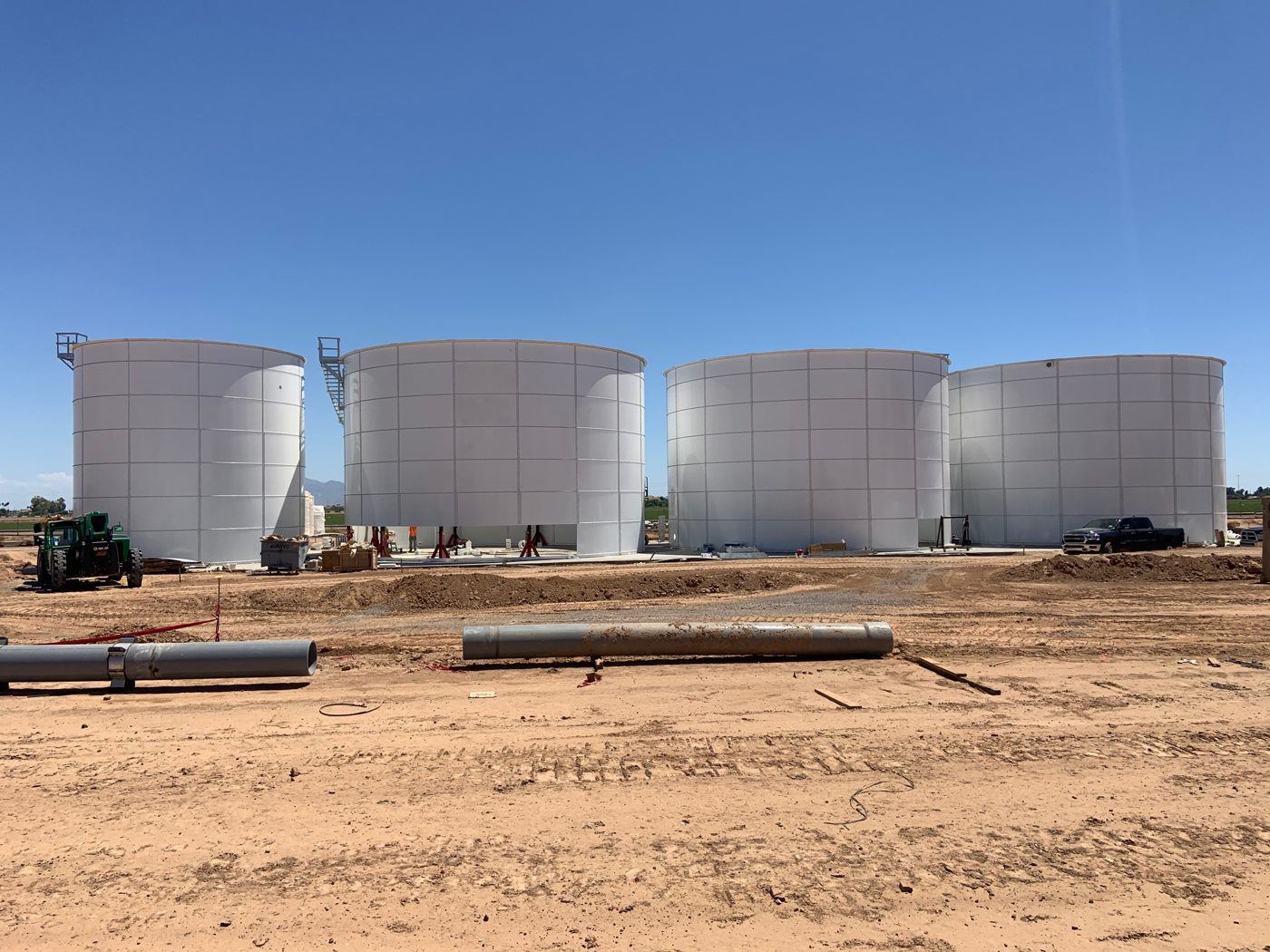
A bolted tank is built from steel panels coated in a controlled shop, shipped to site, and bolted together with sealed, gasketed seams. It is governed by AWWA D103. A welded tank joins steel plate in the field into a continuous, monolithic shell under AWWA D100, then is coated in place. Both can be engineered for the same loads and very large capacities — the difference is in how they get built, and that drives everything downstream.
02 Erection speed and site conditions
This is where bolted tanks earn their reputation. Because the panels are shop-finished and assembled with fasteners, a bolted tank goes up faster, with less field labor, and is far more tolerant of weather and remote sites — no field welding to inspect, no field-cure coating on the critical path. A welded tank takes longer: qualified field welders, weld inspection, and weather windows for both welding and field coating. On a tight schedule or a hard-to-reach site, that gap matters.
03 Coatings and corrosion protection
The coating model is the real fork in the road.
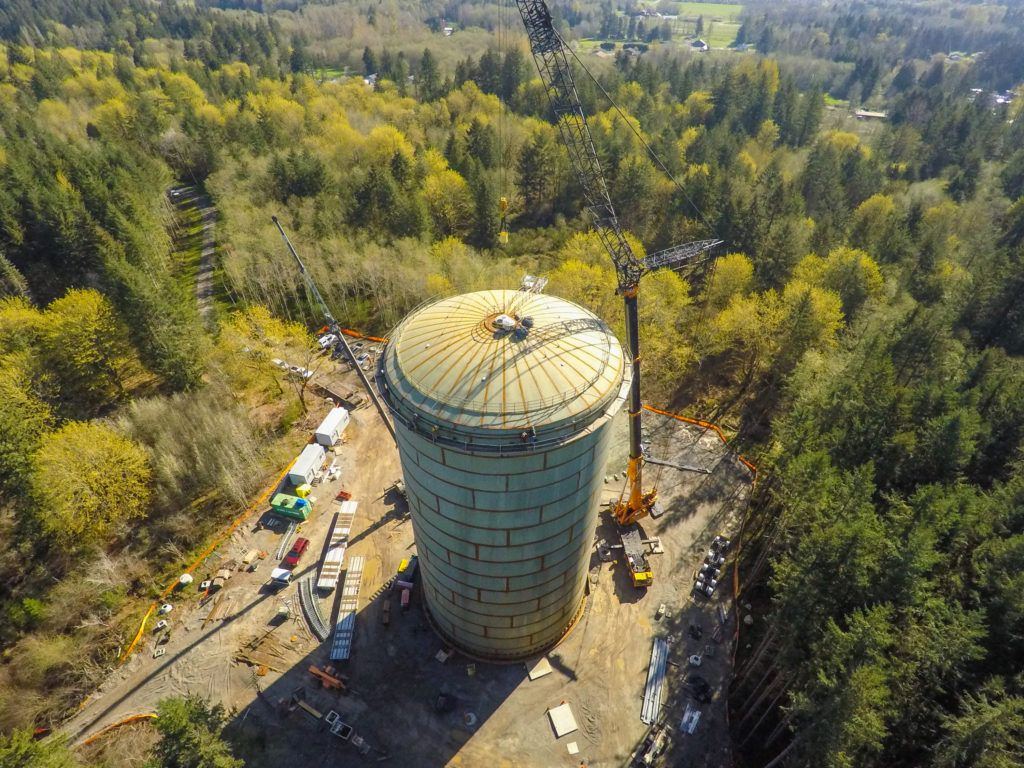
- Bolted (AWWA D103) arrives with a factory-applied coating — fusion-bonded epoxy (FBE) or glass-fused-to-steel — cured under controlled conditions for repeatable quality.
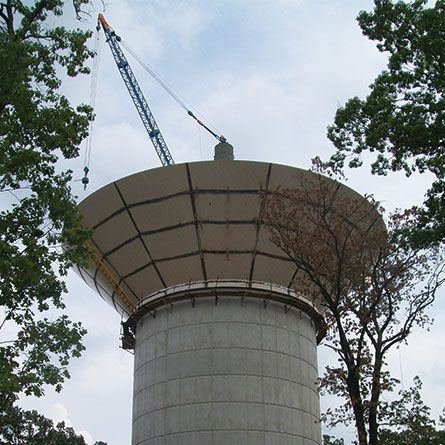
- Welded (AWWA D100) is coated in the field with a high-solids liquid epoxy or polyurea lining, which is also exactly how it's renewed decades later.
Both are available NSF/ANSI 61-certified for potable contact. The practical distinction: a welded shell and an FBE-coated bolted shell are both field-recoatable when due; a glass-fused coating is not. Coating choice, more than construction method, sets the long-term maintenance path.
04 Size, geometry, and span
Bolted tanks come in standardized diameters and heights that cover the vast majority of municipal and industrial duties, and scale to large capacities efficiently. Welded construction has the edge for very large diameters, non-standard geometry, or specific roof and appurtenance configurations that benefit from a continuous shell. Both readily accept aluminum geodesic domes and other covers, detailed to the shell at the perimeter either way.
05 Repair, expansion, and relocation
A bolted tank's panelized nature is an easily overlooked long-term advantage:
- Expandable. Additional rings can raise capacity.
- Relocatable. It can be disassembled and reassembled at a new site.
- Panel-level repair. Individual panels can be replaced.
A welded tank is a permanent installation — repaired by weld repair and field recoating rather than disassembly. Robust, but not portable or readily expandable.
06 Cost and lifecycle
Bolted tanks often win on installed cost and schedule, especially at standard sizes and on remote or weather-constrained sites. Welded tanks compete where size, geometry, or a specific design basis favors a continuous shell. Across the life of the asset, the coating system and maintenance plan usually drive total cost more than the original construction method — which is why the coating decision deserves as much attention as the bolted-versus-welded one.
Bolted for speed, standardization, and future change; welded for very large or custom continuous shells. The coating system sets the lifecycle either way.
07 How the two compare
| Property | Bolted (AWWA D103) | Welded (AWWA D100) |
|---|---|---|
| Construction | Shop-coated panels, field-bolted, sealed seams | Field-welded plate, continuous shell |
| Coating | Factory-applied (FBE or glass-fused) | Field-applied liquid epoxy / polyurea |
| Erection speed | Faster, less field labor | Slower; welders + weld inspection |
| Weather tolerance | High | Windows for welding and coating |
| Large / custom geometry | Standardized sizes, scales large | Edge for very large or non-standard shells |
| Expandable / relocatable | Yes | No (permanent) |
| Field repair | Panel replacement, recoat (FBE) | Weld repair, field recoat |
| Field-recoatable | Yes (FBE) · No (glass-fused) | Yes |
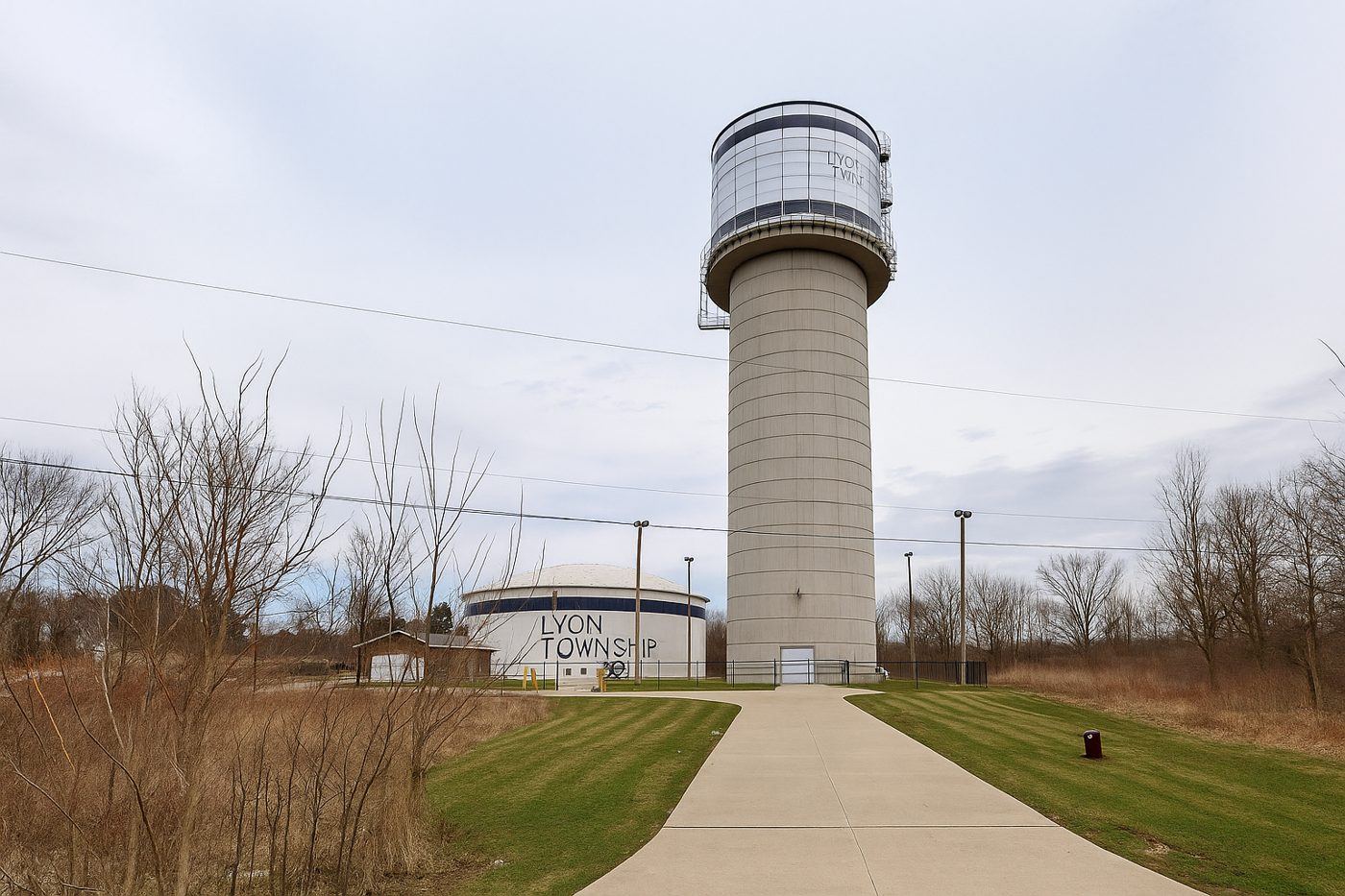
Bolted and welded steel tanks are both excellent — they solve for different priorities. Bolted leads on speed, standardization, weather tolerance, and the ability to expand or relocate; welded leads when a very large or custom continuous shell is the goal.
As a single-source supplier, TanksandCovers.com builds the case both ways and helps you match the method — and the coating — to your project.